
Key takeaways
- Both NMN and niacin boost NAD, but NMN is far more effective and better tolerated for healthy aging.
- NMN is the most direct and efficient way to boost NAD for energy and healthy aging—minus the flush.
- Niacin is cheaper, but it requires higher doses and has side effects that limit long-term use.
- For longevity, energy, and cellular health, NMN really is the gold standard among NAD precursors.
Spend just a bit of time researching longevity and healthy aging supplements, and you’ll very quickly run into tongue-twisters like nicotinamide adenine dinucleotide (better known as NAD), nicotinamide mononucleotide (NMN), and niacin (thankfully much easier to pronounce). But what are these compounds and how do they actually support healthier aging?
Both NMN and niacin are often recommended for boosting NAD levels in the body, but there’s a lot of confusion about how they differ and which is more effective. If you’re trying to decide between NMN and niacin, here’s what to know so you can choose the best option for your longevity goals.
The quick take: Is NMN or niacin better?
There’s no real contest here. NMN is simply better for directly and efficiently boosting NAD levels with minimal side effects, making it the superior choice for those focused on longevity, energy, and healthy aging. Niacin is occasionally marketed as a budget option, but its inefficiency, side effects, and risks make it a poor substitute. When the goal is healthy aging and longevity, NMN is the better bet.
What Is NMN?
NMN is an NAD precursor, or the starting material for NAD itself. Dr. Andrew Salzman, the chief medical officer here at Wonderfeel and a leading biomedical expert, describes NAD precursors as one of the biggest breakthroughs in longevity science. “The real breakthrough that’s occurred is how to get NAD levels back to normal,” he says. “We now understand that it can’t be done by giving NAD itself, but it can be done by supplying the starting material.”
But why does this starting material even matter? What’s so great about increasing NAD levels? You probably have an inkling if you’re researching NMN and niacin, but the short answer is that higher NAD levels help your cells make more energy and directly support essential processes, like DNA repair, ATP production, and antioxidant defense. The more NAD you have, the more efficiently your cells can manage these processes. As we age, our NAD production naturally declines, and we start feeling, well, older. Our recovery times are slower, brain fog can creep in, our skin and hair may change—all the standard aging stuff. By restoring NAD to more youthful levels, we can support everything from how energetic we feel to how efficiently our cells recover and function.
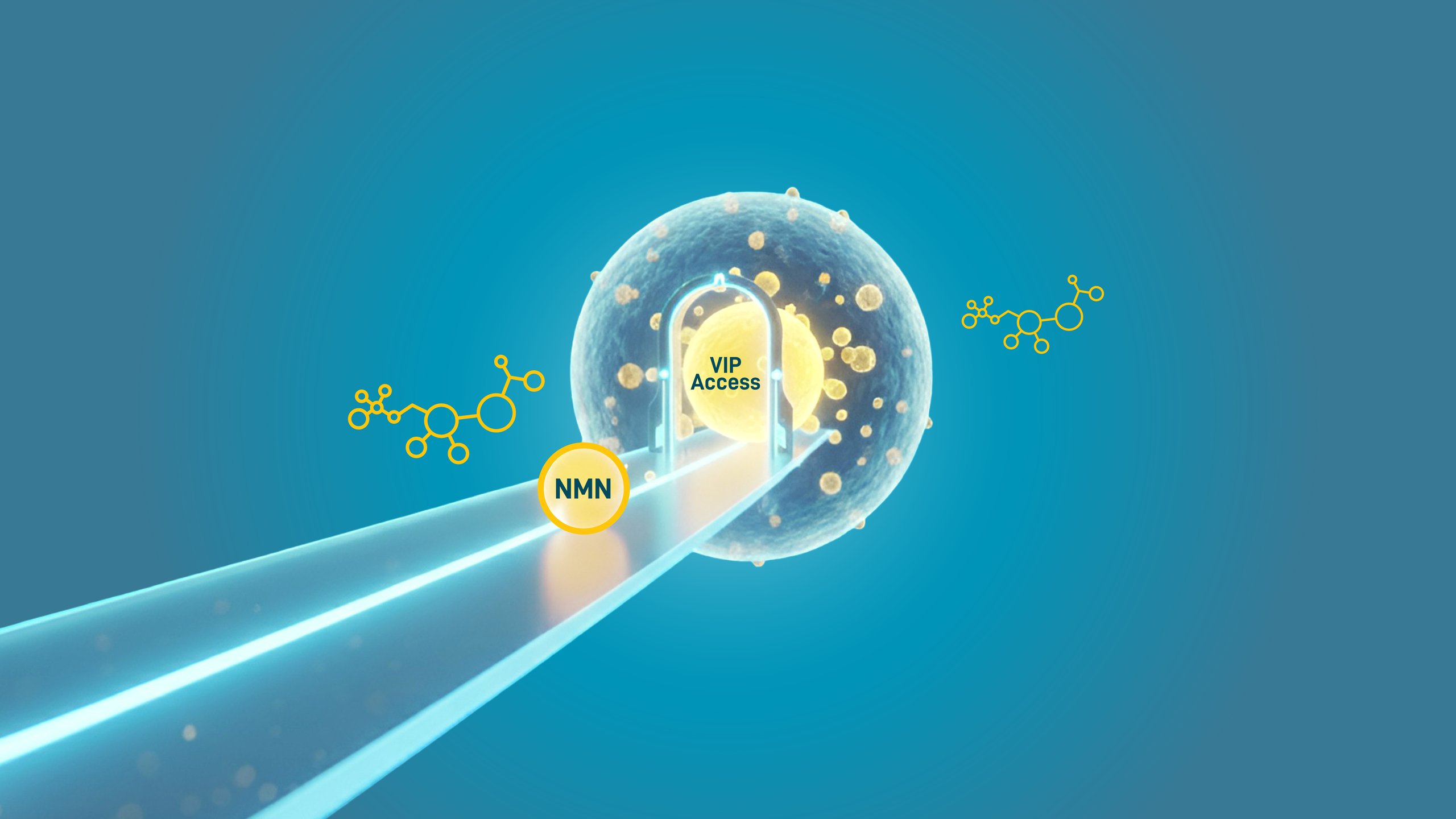
As a molecule, NMN is small, agile, and impressively resilient in our digestive systems, so it lends itself beautifully to oral supplementation. It also has its very own cellular transport that shuttles it directly across the cellular membrane, where it converts directly to NAD. Honestly, it doesn’t get much easier than that!
What is niacin?
Niacin is a sort of a blanket term that’s bandied around for vitamin B3, which has three natural forms: nicotinic acid (commonly called niacin), nicotinamide (also known as niacinamide), and nicotinamide riboside (NR). Like NMN, all three forms of vitamin B3 eventually convert to NAD in the body, which we already know supports cellular energy production and cellular health as a whole.
Our bodies need vitamin B3 for all kinds of things, including producing NAD—but not all forms are efficient. While the pathways for different forms of vitamin B3 differ, niacin can and does boost NAD in a longer, more roundabout way. That makes it more of a secondary option compared to direct and well-tolerated precursors like NMN.
It’s worth noting that niacin is sometimes prescribed or supplemented for reasons that have nothing to do with NAD. High-dose nicotinic acid, for example, was once widely used to improve cholesterol and triglyceride levels, and niacin remains the standard treatment for pellagra, a disease caused by severe vitamin B3 deficiency.
How NMN and niacin boost NAD differently
So, we’ve established that both NMN and niacin work to boost NAD. But both compounds make it happen in their own way, which has an impact on respective efficacy and even how you might feel when you take them.
NMN takes a far more direct route into the cell thanks to that specialized cellular shuttle, which is formally known as the Slc12a8 transporter. This VIP access is why NMN works so darn well as an oral supplement. Plus, there are no unpleasant side effects associated with the act of supplementing NMN in this way. It’s not like caffeine, where you’re really aware of an immediate change. Instead, with a scientifically valid dose taken daily, gradual changes become apparent. As for safety and tolerability, research to date shows that long-term oral NMN supplementation is just fine. As renowned longevity expert Dr. David Sinclair (who personally takes 1 gram of NMN daily) notes, “Human studies with NAD boosters are ongoing and so far, there has been no toxicity, not even a hint of it.”
Niacin is a little more complicated. It uses something called the Preiss-Handler pathway, and it has to convert into two other molecules (nicotinic acid mononucleotide and nicotinic acid adenine dinucleotide, respectively) before finally becoming NAD. These conversions call for specific enzymes of their own, which means the whole thing requires more biochemical steps than NMN’s straightforward conversion. Plus, the need for extra enzymes can limit the speed and overall efficiency of increasing NAD production. Higher doses are sometimes recommended, but that’s not without its side effects.
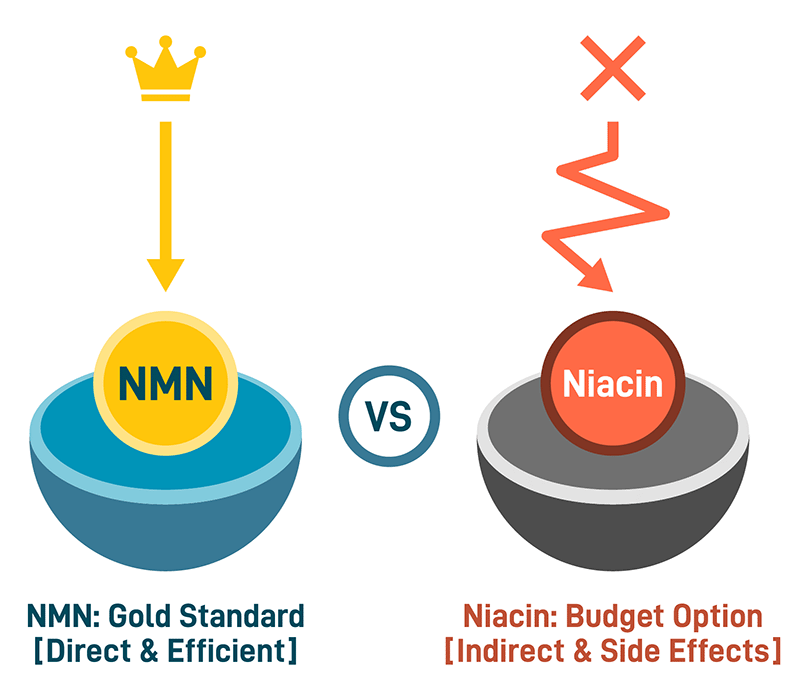
Because of the Preiss-Handler pathway, taking niacin tends to cause what’s known as the “niacin flush.” It’s a tingling redness that can feel warm to the touch, and it’s the result of interactions between niacin and different receptors during the multi-step conversion process. As for those high doses mentioned above? There is a potential for stress on the liver.
Benefits of NMN vs niacin
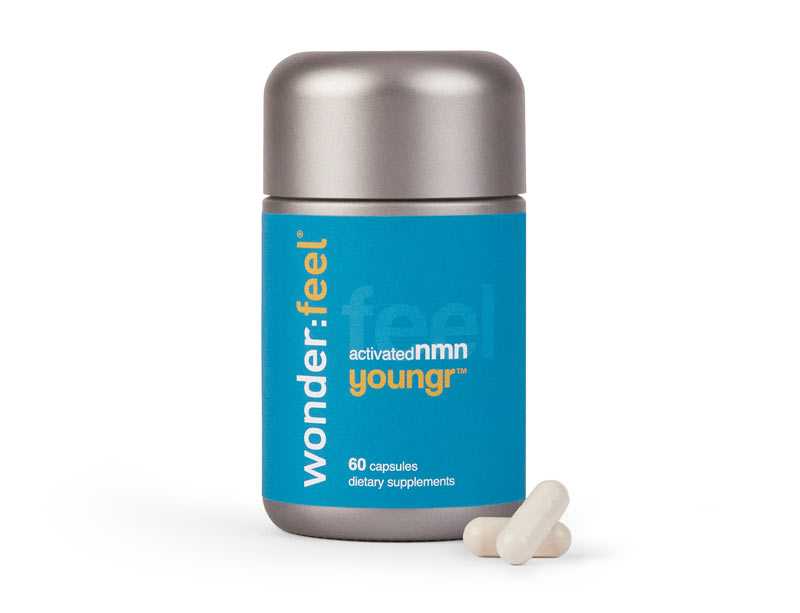
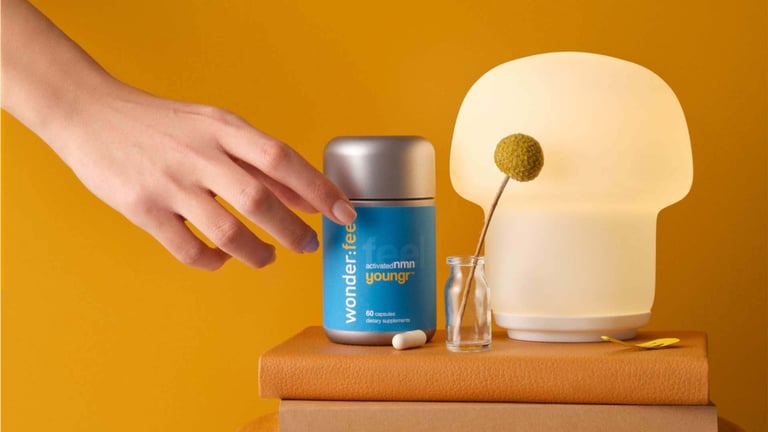
NMN has a few things going for it. It’s a more efficient way to boost NAD levels, which translates to steadier energy, improved focus, and quicker recovery from daily stressors. It’s also safe and well tolerated. In the patented Wonderfeel Youngr™ NMN formula, we pair high-quality NMN with a trio of handpicked antioxidants and sirtuin activators that shield cells from oxidant stress. It means the NMN can be more effectively used to create NAD. What’s more, two of those antioxidants—resveratrol and hydroxytyrosol (ergothioneine is the third in the mix)—have a bonus benefit. They may actually inhibit the activity of an enzyme known as CD38, which is a voracious NAD consumer. NAD production declines as we age, but CD38 activity starts to ramp up. In other words, our carefully formulated NMN supplement doesn’t just replenish NAD—it simultaneously works to maintain that boosted level by curbing CD38 activity.
Back to niacin, which does support energy metabolism much like NMN. The issue is those extra conversion steps, which can mean effects are far less noticeable unless you’re taking higher doses—and that comes with its own issues. Even if you can get past the flushing thing, those with sensitive skin or any kind of liver concern should probably avoid niacin, especially in high doses. For most people, those are serious hurdles. Meanwhile, NMN is generally considered safe, and longevity experts like Dr. David Sinclair favor it for its potential to help the body maintain cellular health over time. Still, like any supplement, people who are pregnant, breastfeeding, or navigating chronic conditions should check with their doctor.
What about cost?
One area where niacin may appear to have NMN beat is cost. Niacin supplements are widely available and typically cheaper than NMN, which can make them an appealing starting point if budget is your top concern. NMN, by comparison, is more expensive—especially if you’re looking for high-quality, clinically dosed formulations with clean ingredient profiles. Then again, you tend to get what you pay for! Plus, because niacin isn’t as efficient and often requires high doses (which, again, means more side effects), the low-cost advantage may lose its appeal pretty darn quick.
Many people find the investment in NMN worthwhile for its efficient NAD-boosting effects, lack of flushing, and overall tolerability. All of that makes it easier to stick with long-term supplementation as part of a healthy aging routine—and with supplements like NMN, the magic is in the daily intake. If your goal is to optimize energy, recovery, and longevity without discomfort, NMN’s higher price is really a reflection of its higher value for folks focused on cellular health.
What’s better for you: NMN or niacin?
When it comes to supporting healthy aging and boosting NAD levels, NMN is the smarter option. It’s more efficient, better tolerated, and can fit seamlessly into your daily wellness routine—without the discomfort of flushing or the need for high-dose workarounds.
Niacin can increase NAD, but its multi-step conversion process, potential for flushing, and liver consideration all make it a less practical choice if you’re looking for a longevity-focused, everyday supplement.
At the end of the day, the best NAD precursor for you depends on your goals, tolerance, and budget. If you want the most direct, effective support for cellular energy, recovery, and healthy aging, NMN is hard to beat.
Frequently asked questions
Is niacin a cheaper alternative to NMN?
Niacin is cheaper than NMN and it can boost NAD levels, but it’s less efficient and often requires higher doses to see effects. That means the cost adds up. Plus, higher doses are associated with an increased risk of flushing and discomfort for some people.
Does niacin help with longevity like NMN?
Kind of. Niacin can increase NAD levels, which is tied to healthy aging. But NMN is typically preferred in longevity circles because it’s more efficient and has better tolerability.
Is NMN better than niacin?
NMN is definitely better for directly and efficiently boosting NAD levels without causing flushing. It’s more expensive, but a lot of people think it’s worth the money for longevity and energy support.
Is NAD better than niacin?
Actually, no. NAD supplements themselves aren’t typically effective because NAD doesn’t easily cross cell membranes. Niacin can help your body make NAD, but NMN or NR are usually more efficient for boosting NAD levels.
Who should avoid taking niacin?
People with liver issues, gout, or a history of peptic ulcers should avoid niacin in high doses. If you’re sensitive to flushing or have skin concerns, you may also want to steer clear.
Can NMN and niacin be taken together?
Technically, you can take NMN and niacin together because they use different pathways to boost NAD. But NMN does it more efficiently, so it’s kind of redundant if the goal is increasing NAD levels. On the other hand, niacin may also be prescribed or supplemented for reasons unrelated to NAD—such as managing cholesterol or preventing deficiency—so in those cases, combining the two could make sense depending on your health goals and medical guidance.