
Key Takeaways
- The Longevity Diet by Valter Longo emphasizes a mostly plant-based diet, reduced animal protein, healthy fats, and complex carbs.
- Periodic fasting-mimicking diets (FMD) are another component, offering the benefits of traditional fasting without complete food restriction.
- Longo emphasizes a holistic approach that includes movement, social connection, and a sense of purpose.
In the longevity and healthy aging space, Dr. Valter Longo is a household name. A professor of gerontology and biological sciences at the USC Leonard Davis School of Gerontology and the director of the USC Longevity Institute, his expertise lies in fasting, nutrition and diets, and chronic disease. He’s spent decades studying the role nutrition plays in longevity and healthspan, and his bestselling book, The Longevity Diet, compiles and distills what he’s learned into an actionable blueprint. It’s a combination of plant-based eating, strategic fasting, and lifestyle principles based on modern science and the world’s longest-living populations. Whether you’re a biohacker, wellness enthusiast, or just curious about how the daily choices you make affect your long-term vitality, here’s what to know about Longo’s longevity diet.
What’s The Longevity Diet all about?
Don’t panic–Longo’s longevity diet isn’t a lengthy list of foods you can never, ever eat again. It’s less about restriction and more about alignment, and the research is solid. Longo combined decades of lab research with lessons from the world’s longest-living populations to create a framework intended to expand healthspan, not just lifespan (something we’re big fans here at Wonderfeel!). In other words, the goal isn’t just to live longer. It’s to live better. And nutrition really is a big part of it—but it’s not the only thing that matters.

Key principles outlined in the book
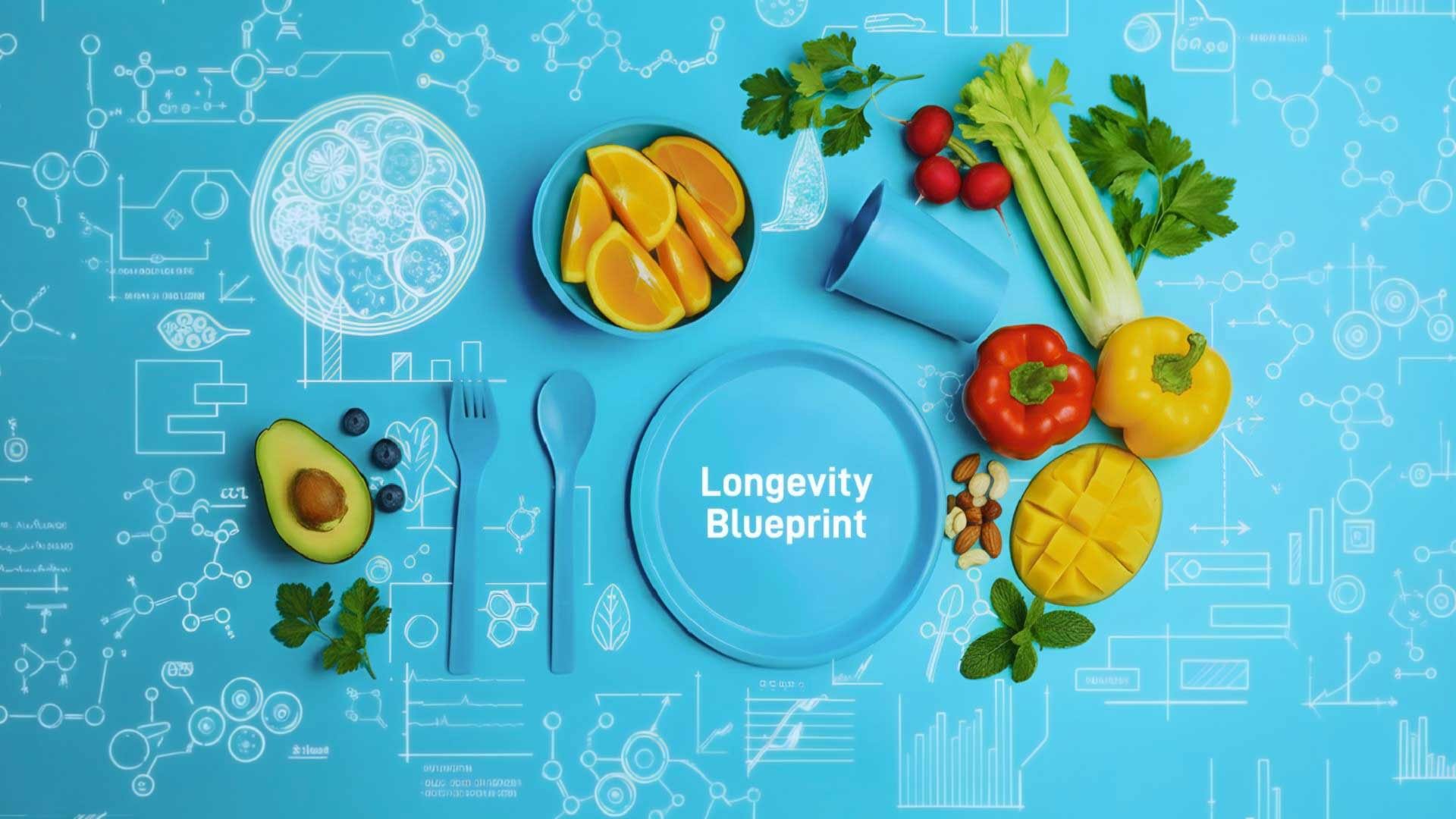
Longo helpfully condenses years and years of research into five core principles, which makes it much easier to turn theory into practice. If there was a test on The Longevity Diet, here’s the info you’d need to know:
- Plant-forward eating. First things first: This is a mostly plant-based diet with occasional portions of fish rich in omega-3s. It’s heavy on legumes, vegetables, nuts, and whole grains.
- Protein moderation. In contrast to protein-heavy modern diets, Longo emphasizes reduced protein intake in midlife, especially from animal sources, since excess protein can accelerate aging pathways.
- Healthy fats and complex carbs. Olive oil, nuts, and whole grains are emphasized, and balance over extremes is the goal.
- Periodic fasting-mimicking diets (FMDs). This might be Longo’s most famous contribution. The FMD is a short-term, low-calorie, plant-based protocol that delivers the benefits of fasting (like cellular repair, stem cell activation, reduced inflammation, and metabolic reset) without totally abstaining from food. It’s like fasting lite. Basically, you trick your body into thinking it’s fasting by eating small amounts of carefully chosen foods that are high in healthy fats and complex carbs but low in calories, protein, and sugar. Picture a mug of herbal tea and a bit of avocado with a drizzle of olive oil and a few walnuts, or a small serving of broccoli and cauliflower with a squeeze of lemon and a dash of olive oil. The idea is that by giving your body just enough, you can push your metabolism into a fasting state even without fully abstaining. The best part? Longo recommends that healthy adults complete a five-day FMD only a few times per year.
- Lifestyle integration. It may be called the longevity diet, but nutrition is only part of the equation. Longo also highlights habits seen in centenarian populations: regular movement, strong community ties, and a sense of purpose.
Put it all together, and these principles offer a blueprint for a longer, healthier life.
The science that supports The Longevity Diet
Those decades of research we keep mentioning come from Longo’s own studies on yeast, mice, and humans, all of which have consistently shown that diet and fasting cycles influence the pathways that regulate aging.
One of Longo’s landmark studies from 2008 expanded the lifespan of ordinary baker’s yeast from one week to ten weeks, with no apparent side effects, thanks to a combination of genetic tinkering and a low-calorie diet. In animal models, Longo showed that periodic fasting protected mice against multiple age-related diseases, including a reduction in cancer and improved cognitive performance in aging mice.

As for the fasting-mimicking diet, clinical testing has been encouraging. A 2017 randomized controlled trial found that three monthly FMD cycles reduced risk factors for diabetes, cardiovascular disease, and cancer while lowering blood pressure, body fat, and markers of inflammation. More recent studies offer more evidence that FMD cycles can lower biological age and reduce markers of disease risk.
And then there’s the evidence Longo has gathered from centenarians around the world. He used epidemiological research from so-called Blue Zones, or regions where people routinely live past 100—Okinawa, Sardinia, and California’s Loma Linda among them. As it happens, these people are living the principles of The Longevity Diet in real time, with primarily plant-based diets, lower protein intake, regular movement, a sense of community, and a general raison d’être.
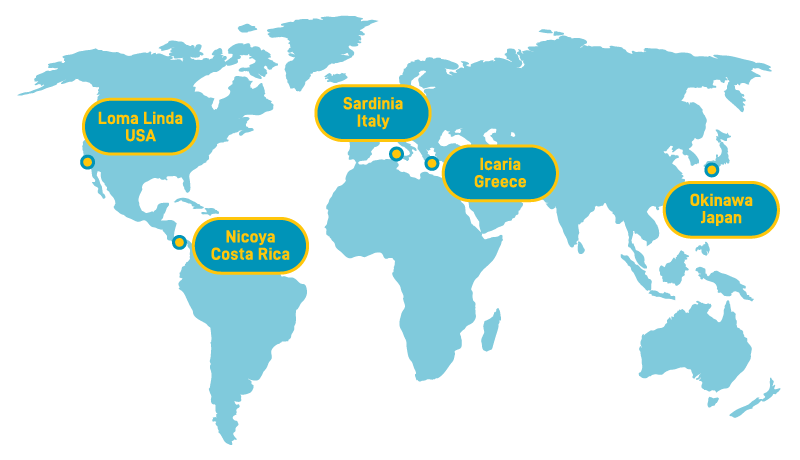
Together, this body of evidence forms the backbone of Longo’s blueprint, showcasing that targeted nutrition and periodic fasting can reduce disease risk, regenerate cells, and potentially extend both lifespan and healthspan.
Strengths of Longo’s book
Longo’s book has a lot of things going for it, and accessibility probably tops them all. While longevity research tends to be incredibly complex and technical, Longo does an admirable job of turning that information into practical, everyday guidance. You don’t need a background in biology to understand how the diet works or why it matters, which makes this science usable for just about anyone.
Then there’s the tidy connection between research and how it applies in the real world. Longo connects specific studies to meal plans, recipes, and lifestyle habits that we can actually follow. His FMD is a great example—it’s far more doable than a true water fast.
While nutrition is front and center in the longevity diet, Longo emphasizes a holistic approach, correctly pointing out that longevity isn’t the result of good food alone. Movement, social connection, and a sense of purpose are also positioned as equally important.
Limitations and considerations
For all its thoughtfulness, there are caveats to keep in mind. Longo’s recommendations are designed for the average healthy adult, but nutrition isn’t always one-size-fits-all. People with underlying health conditions or on certain mediations may need different macros, specifically relating to protein, than what’s recommended here.
While FMD is one of Longo’s signature contributions, fasting isn’t for everyone. Some people, including those who are pregnant or breastfeeding, children, and people with certain medical conditions definitely shouldn’t fast without medical supervision. Even if you’re a healthy adult, fasting can come with side effects, like fatigue, irritability, or dizziness.
The Longevity Diet has a pretty solid scientific foundation, but a lot of the most exciting science comes from yeast and animal studies. The early clinical trials of FMD in humans are promising, but long-term outcomes are still being studied. In other words, you can’t assume this is a guaranteed path to longevity—not yet, at least—but more of an evidence-based framework.
Wonderfeel’s take on The Longevity Diet
From where we’re sitting, there’s quite a bit of overlap between Longo’s blueprint and the dietary approaches that support real-world vitality. Like Longo, we believe nutrition should be person-specific—your age, health status, and goals all matter when it comes to what’s “best.” Some people need more red meat, though most of us should enjoy it sparingly (and where it comes from is critical, so we emphasize hormone free and grass fed whenever possible). Fish sources, like anchovies, sardines, Arctic and Pacific cod, and wild salmon, should be sustainably harvested and mercury free. Dairy sources should focus less on milk and more on yogurt, with cheese in moderation. Be mindful with fruits, since too much fruit means too much sugar (and avoid juicing—you want the fiber!). Variety is key, and seasonal foods are usually your best bet. Nuts and seeds are excellent choices, but stay away from seed oils because of their refining process. Avoid processed foods, premade sauces (which are often loaded with preservatives) and stay away from sugar.

There are clear throughlines between our take on nutrition and Longo’s: whole foods, olive oil, legumes, nuts, and fresh produce as daily staples, keeping sugar intake low, and enjoying animal products like meat and dairy sparingly rather than daily.
Longo himself has described The Longevity Diet as an evolution or extension of the Mediterranean diet, with a few tweaks. Both approaches emphasize whole foods, olive oil, legumes, nuts, and fresh produce as daily staples. From Wonderfeel’s vantage point, this blend of tradition and science makes sense. After all, it’s nutrient-dense, sustainable, and balanced in a way that helps people not just live longer, but better.
We find Longo’s focus on moderation appealing as well. Too much protein, especially from animal sources (like the carnivore diet), can activate aging pathways. Too much sugar drives inflammation. But a thoughtful, mostly plant-forward diet, combined with regular movement, connection, and purpose, is a lifestyle framework that can easily be adjusted for most of us.
So, is The Longevity Diet worth reading?
If you like the idea of practical, science-backed steps to support longevity and everyday vitality, The Longevity Diet is worth the read. Longo’s approach comes to clear, actionable steps: Eat more plants, scale back on protein (especially from animal sources), and roll in a little fasting in a thoughtful, structured way.
Notably, this diet book doesn’t present diet as a silver bullet. Instead, nutrition is framed as the foundation of healthy aging, one that works best when paired with things like movement, a sense of community, and the sort of purpose that gets you out of bed every morning. All in all, Longo’s ability to turn rigorous research into real-world strategies makes you feel like this is all attainable—and that’s hard to beat.
Frequently Asked Questions
What does The Longevity Diet consist of?
The Longevity Diet advocates a mostly plant-based diet with small amounts of fish a few times per week. Healthy fats are encouraged, but overall protein is kept low (especially from animal sources). Regular movement, community interaction, and a sense of purpose all play equal roles as well.
What does Dr. Longo eat for breakfast?
Valter Longo has shared in interviews that his breakfasts are usually simple and plant-based, like whole-grain bread or oatmeal with fruit, along with tea or coffee. They align with his recommendations of low protein, complex cars, and healthy fats.
What is the most important ingredient in The Longevity Diet?
There is no single “most important” ingredient, but legumes play a pretty central role. They serve as a source of protein, fiber, and micronutrients while supporting satiety and stable blood sugar.
What is the Walter Longo fasting mimicking diet?
The fasting-mimicking diet (FMD) is a five-day program that mimics the effects of fasting without full food restriction. Instead, you can eat small amounts of low-protein, low-sugar foods high in healthy fats and complex carbs to push the body into a fasting state.
What is the healthiest breakfast for longevity?
According to Dr. Valter Longo, the healthiest breakfast is light, plant-based, and low in protein. Think oatmeal with nuts and fruits, whole-grain toast with olive oil or fresh fruit with tea.
Is The Longevity Diet safe long term?
It’s safe for most healthy adults. It’s based on whole, nutrient-dense foods and follows the same habits as populations that demonstrate longevity. Still, those with medical conditions or special nutritional needs should check with a doctor first.
Does The Longevity Diet work for weight loss or just aging?
While the goal is supporting healthy aging, not weight loss, many people naturally lose weight following The Longevity Diet because it improves their eating habits.
How does The Longevity Diet differ from Blue Zones?
The Longevity Diet uses data and observations from people in Blue Zones, but it’s a little more structured and research driven. Longo combined Blue Zone data with decades of lab and clinical research to create specific guidelines that people can follow.