

Key takeaways
- NAD sits at the center of cellular health, supporting energy production, repair processes, and stress resilience.
- With age, cells burn through NAD faster than they can replace it, gradually eroding efficiency.
- DNA repair demands, chronic inflammation, and reduced sirtuin activity compound NAD loss over time.
- Declining NAD doesn’t stop cells from working—it makes them work less efficiently, a hallmark of biological aging.
- The dynamic nature of NAD is why researchers see it as a promising target for supporting healthier aging.

If there’s a single driver of aging, it’s the passing of time. As the years go by, innumerable little changes inside our cells start to add up, and it’s reflected in all of the ways we define aging. One of the most profound cellular changes is the slow, steady decline of a molecule known as nicotinamide adenine dinucleotide—NAD for short. Found in every single living cell, it’s a key player in energy production, DNA repair, metabolic regulation, and cellular stress response. When we’re young, we have NAD to spare, which means our cells are better equipped to maintain balance, adapt to stress, and repair the damage that occurs just by living. When NAD levels fall, well, that’s when the problems begin.
By around age 50, NAD levels drop to roughly half of what they were in our youth. The problem? Research over the past decade has linked NAD depletion to many of the biological hallmarks of aging, along with the development of a number of age-related diseases that affect metabolism, cardiovascular health, and cognition. The older we get, the faster NAD is consumed, until we’re using it faster than we can make it. That tees up a veritable cascade of cellular dysfunction that affects everything from energy production to metabolic health and resilience.
Understanding the decline of NAD helps explain why aging cells struggle to function the way they used to—and why restoring NAD has become such a central focus of longevity research.
What is NAD, and why does it matter for healthy aging?
The renowned Dr. Andrew Salzman put it well when he described NAD as the centerpiece of biology—and for good reason. We could write an entire post about the intricate ways NAD is used throughout the body, but here’s the short answer: NAD supports the chemical reactions that keep cells alive and thriving. Less NAD means all kinds of essential processes slow down, and effects are evident over time.
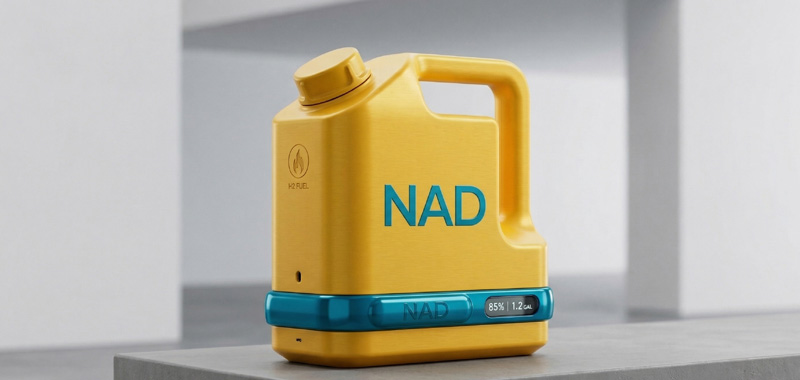
Cellular energy production is arguably one of NAD’s most critical jobs. NAD serves as an electron carrier during metabolism. It’s kind of like an Uber for electrons, shuttling them directly to the mitochondria so they can be used to generate ATP. Think back to high school biology, and you’ll recall that ATP is our cellular energy currency. This is what you use to power thinking, moving, breathing, repairing—all of it. A decline in NAD directly affects the cell’s ability to produce energy. In the cell, that means greater vulnerability to stress and dysfunction. For the body as a whole, it can mean lower energy levels, slower recovery times, and reduced resilience overall.
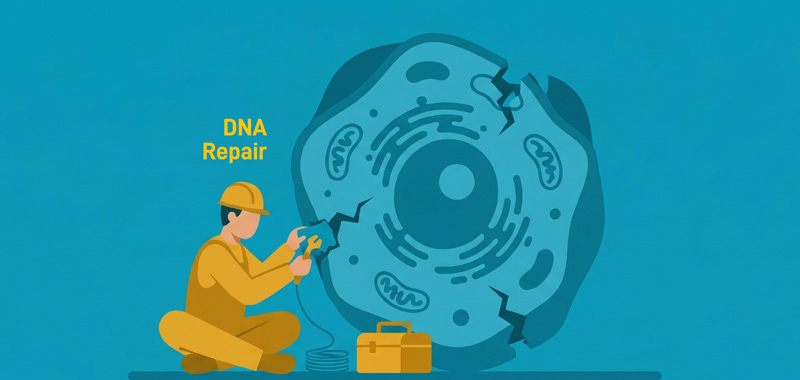
NAD is likewise central to DNA repair. It’s a fuel source for enzymes called PARPs that fix the regular DNA damage caused by normal metabolism and environmental exposure. Sirtuins need NAD too. This family of proteins, dubbed “cellular watchmen” and “stress sensors” and even “longevity proteins,” works to maintain balance in the body by supporting cellular repair and inflammation management. As we age, cells are exposed to increasing levels of stress and damage, so keeping PARP and sirtuin activity functioning as well as possible is understandingly vital.
To do that, we need to maintain healthy levels of NAD. That helps determine how resilient our cells are over time. But we’ve already pointed out that NAD levels naturally decline with age. So what’s going on, and more to the point, what can we do about it?
Why NAD levels decline with age?
If NAD is so darn essential, you’re not crazy for wondering why on earth it declines in the first place. Basically, it boils down to an issue of supply and demand. Aging cells have an increased demand for NAD at the same time their ability to replenish becomes less efficient. There’s no single culprit here. It’s kind of a perfect storm of overlapping processes that just ramp up as we age.
DNA damage and PARP activity
DNA damage is unavoidable. Between normal metabolic processes, environmental exposure, and oxidative stress, knicks in our DNA are par for the course. That’s where PARPs come in. This group of enzymes zeroes in on the knicks to our DNA—something that’s happening up to 70 times every minute—and corrects them on the spot. This is how the body maintains genomic stability, but it comes at a cost. Remember, NAD is the primary fuel source for PARP.
DNA damage accumulates with age, so PARP activity increases to keep up with the demand for on-the-spot repairs. It means more NAD is being used, depleting our cellular reserves. When this elevated PARP activity tips into chronic territory, it can mean serious NAD depletion, which means less NAD for things like energy production and metabolic regulation. Yikes, right?
Chronic inflammation and CD38
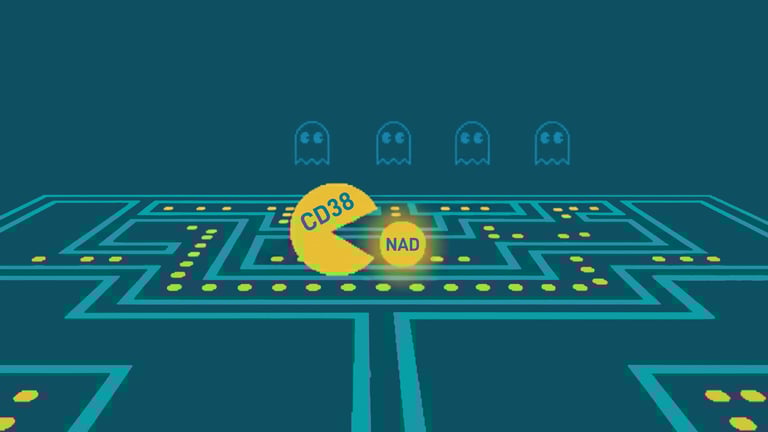
Chronic, low-grade inflammation, often described as inflammaging, is another NAD ravager. It kickstarts the activity of an enzyme called CD38, which is primarily found in immune cells, where it facilities intercellular communication. To function, CD38 needs NAD. But it’s a little different from other NAD-dependent enzymes in that it actually breaks down individual NAD molecules into something else.
That’s fine in small amounts. But the trouble with CD38 is that its activity tends to elevate with aging. That uptick in CD38 activity means NAD is consumed faster than it can be replaced. Yikes again.
Limited sirtuin activity (stress response enzymes)
Sirtuins have a give-and-take relationship with NAD. These NAD-dependent “longevity sensors” use it to regulate mitochondrial health, energy metabolism, inflammation, and cellular stress responses—all of which are closely tied to healthy aging. As you already know, declining NAD levels limits sirtuin activity. And that doesn’t just reflect aging. It actively contributes to it. A drop in sirtuin performance means cells have a weaker response to stress, and that stress means there are greater demands on NAD. Unfortunately, it’s a pretty chronic cycle of depletion and dysfunction.
How a drop in NAD affects cellular function
When NAD levels fall, there’s a ripple effect across every major cellular system. It doesn’t happen suddenly. It’s gradual, unfolding over years as cellular efficiency quietly erodes. What’s left is a cell that still functions, but with less energy, slower repair times, and compromised adaptability in the face of stress.

These are cells that struggle to respond efficiently to metabolic demands, recover from damage, and maintain balance under pressure. And because it happens body-wide, there’s no single point of failure, at least not at first. Think of it as a broad decline in cellular adaptability and resilience, a hallmark of biological aging, that can eventually push certain systems past their thresholds. It’s like a safety net that’s getting more and more threadbare.
When your baseline resilience drops, a stressor that might have been manageable at one time—an infection, an injury, even a really intense workout—can push systems beyond their thresholds. That’s when the slow decline can suddenly be expressed as a sudden event—a serious illness because immune defenses can’t keep up, a longer recovery because tissues can’t repair as efficiently, or a cardiac event when the heart can’t tolerate demand as well as it used to.
The progression often begins as widespread, gradual erosion, followed by a higher vulnerability to tipping points later. The “failure” may seem sudden, but it’s usually preceded by years of reduced cellular capacity to generate energy, repair damage, and adapt under pressure.
NAD loss and aging
NAD loss creates a feedback loop: aging increases stress and damage, which consumes more NAD, while lower NAD further weakens the systems that protect cells from aging. As energy production slows and repair processes become less efficient, cells become more vulnerable to stress, which drives even greater NAD demand.
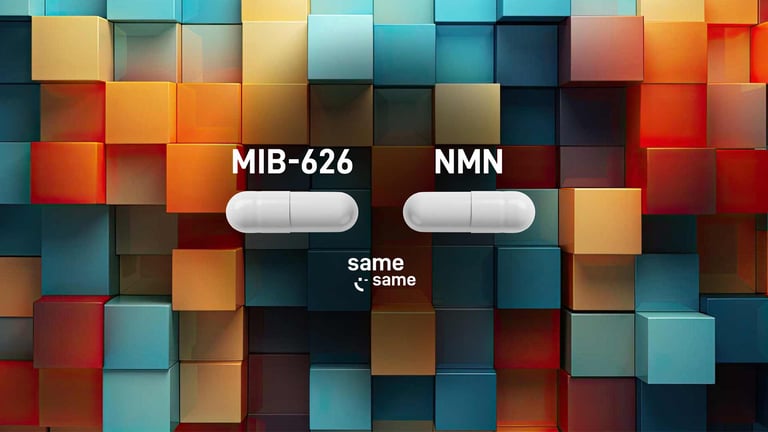
That’s why cellular decline so often accelerates with age. But there’s a serious silver lining here. The feedback loop isn’t driven by permanent damage alone, but rather by shifts in how efficiently cells maintain NAD availability. Unlike many aspects of aging, NAD levels are dynamic. NAD is constantly being consumed and regenerated, which helps explain why NAD precursors, like NMN and NR, are such a compelling focus in longevity research.

Why longevity research is focusing on NAD levels
By now, the “centerpiece of biology” reference should make a lot of sense. NAD plays a foundational role in many of the systems that determine how cells age. Without adequate NAD levels, energy production, DNA repair, metabolic regulation, inflammation control, and stress responses all suffer. They don’t shut down entirely, but they can’t function like they should.
The exciting thing is that NAD is that it’s an actionable leverage point in aging biology. Supporting availability could help cells maintain function even as other age-related pressures arise. That’s where NAD precursors that support NAD production come in—oral supplements designed to help bump up NAD levels.

Wonderfeel Youngr™ NMN is one such supplement. But instead of focusing on replenishment alone, it goes a step further by actually slowing down excessive NAD breakdown. Two of the three antioxidants in this patented formula have been shown to help inhibit CD38 activity, which helps preserve NAD over time.
The bottom line on NAD and cellular resilience
In the end, supporting NAD isn’t about reversing aging or chasing youth. It’s about helping cells do what they’re designed to do: generate energy, repair damage, and adapt to the demands of living, year after year. When it comes to healthier aging, cellular resilience really is the goal.
Frequently asked questions
What happens when NAD levels are low?
When NAD levels drop, cells have a hard time doing their job. Energy production becomes less efficient, DNA repair slows, and stress-response systems lose efficacy. Over time, this shows up in slower recovery times from jet lag or exercise, a greater propensity for weight gain, or taking longer to bounce back from daily stressors or minor illnesses.
What causes NAD to deplete?
NAD depletion is really a supply-and-demand problem. As we age, cells require more NAD to manage DNA damage, inflammation, and metabolic stress, but their ability to replenish NAD becomes less efficient. That creates a steady decline driven by increased use and slower replacement.
Does NAD depletion cause aging?
NAD depletion doesn’t cause aging by itself, but it does play a significant supporting role. Lower NAD levels impair energy production, repair mechanisms, and cellular regulation—processes that help keep cells resilient. As those systems lose efficiency, features we associate with aging accelerate.
How does NAD relate to age-related diseases?
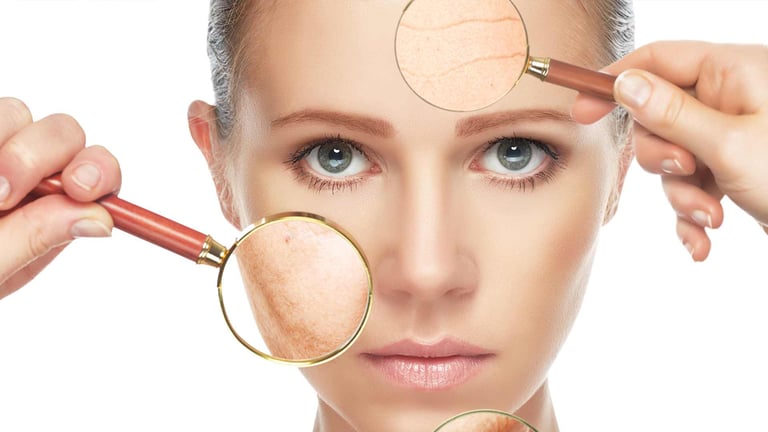
A lot of age-related diseases share the same underlying problems: the body produces energy less efficiently, inflammation becomes harder to shut off, and routine repair processes slow down. NAD plays a central role in all of these systems, which is why low NAD is linked to many age-related issues people recognize—brain fog, fatigue, sleep changes, metabolic problems like insulin resistance and type 2 diabetes, cardiovascular strain, thinner hair, wrinkles, that sort of thing.
What is the role of CD38 in NAD depletion?
CD38 is an enzyme involved in immune signaling that actively breaks down NAD. Its activity increases with age and chronic inflammation, which accelerates NAD loss. This makes CD38 one of the key drivers of age-related NAD depletion and a major focus of longevity research.
How does DNA damage affect NAD levels?
DNA damage triggers the activation of repair enzymes known as PARPs, which rely on NAD as their fuel source. As DNA damage accumulates with age, PARP activity increases, drawing heavily on available NAD. Over time, chronic repair demands can significantly drain cellular NAD reserves.