

Key Takeaways
- Fertility and aging are linked to NAD decline, since lower NAD levels affect egg and sperm quality, mitochondrial function, and DNA repair.
- In promising research, NMN supplementation has been shown to improve ovarian function, egg quality, and sperm motility in aged mice. Even better, powerful preclinical trials are showing promise (and prompting fertility doctors to recommend NMN), and three human clinical trials are currently underway.
- By replenishing NAD, NMN supplementation helps repair cellular damage and reduce the risk of genetic abnormalities.
- Oxidative stress is a fertility hurdle, NMN strengthens antioxidant defenses, protecting reproductive cells from free radical damage.
- Wonderfeel Youngr™ NMN enhances protection—its 900mg NMN dose and antioxidant blend optimizes NAD production and shields cells more effectively.
Becoming a parent is one of the most treasured life milestones known to humankind, but the childbearing process can be a challenge for individuals who face fertility issues. As men and women age, the decline in NAD becomes more pronounced, leading to a decline in fertility. This is why adults in their prime have a significantly lower chance of becoming pregnant compared to younger women with higher fertility rates. Then again, there’s hope, as NMN supplementation can replenish the body’s NAD levels.
Conception later in life more likely with NMN?
Animal studies created the foundation for the theory that NMN supplementation can improve age-related fertility issues. That’s directly due to its role in replenishing the body’s NAD levels, causing improvements in egg production and ovarian function in women as well as sperm quality and motility (or movement) in men. Further human clinical studies are be necessary to validate these findings. When that happens, we’ll be able to more broadly evaluate the effects of NMN on both male and female fertility. But let’s consider the research we have to date.
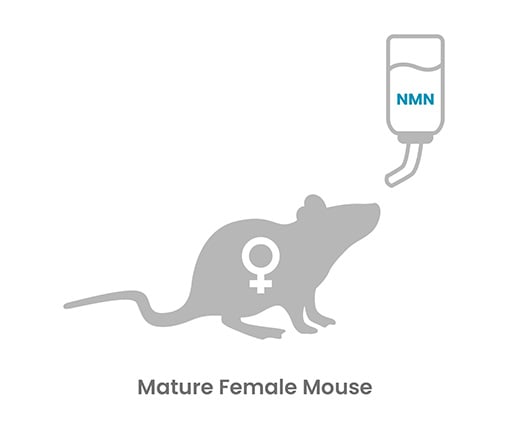
A 2020 study evaluated the effects of NMN supplementation on aging mice. NMN raised their NAD levels, as suspected, leading to greater reproductive function. A variety of fertility testing indicators provided proof, including whether late-stage NMN treatment could enhance oocyte (or premature egg) development. One aspect of the study involved treating 12-month-old female mice—for four weeks—with NMN in drinking water. Female mice start experiencing declining fertility around eight months of age. Ultimately, NAD levels increased in the aged mice’s oocytes (or premature eggs), enhancing the egg quality.
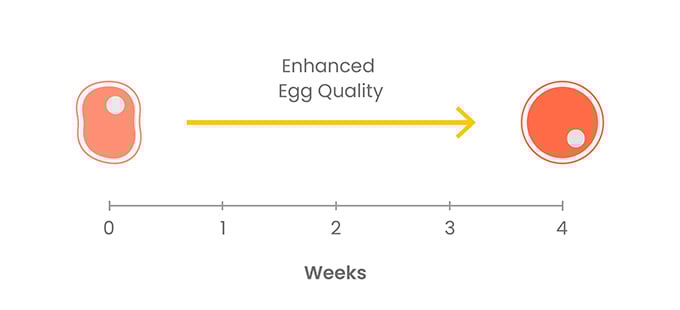
This revealed NMN’s potentially positive effects on fertilization and implantation, which results in conception after a fertilized egg successfully attaches itself to the lining of the uterus. As NMN improves egg quality, immature eggs are more likely to reach the fertilization stage, resulting in healthy pregnancies.
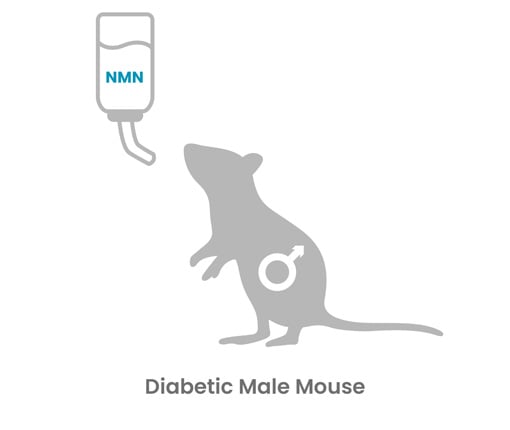
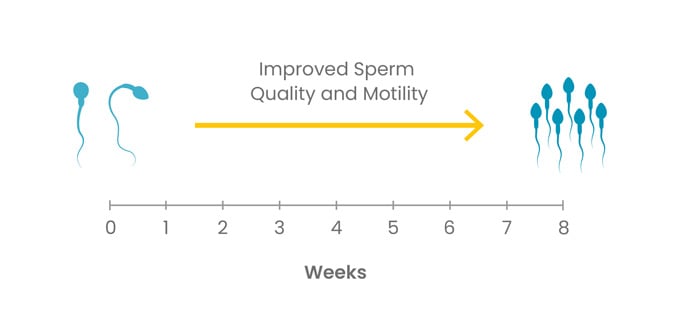
A different 2022 animal-based clinical study assessed how NMN supplementation affected male fertility in diabetic mice. It also had positive influences on male fertility, which NAD levels also impact by improving sperm quality and motility.
The science behind NMN’s influence on reproductive health
As the years progress, our bodies produce less NAD. Low NAD levels are coincidentally linked to compromised mitochondrial function. We can’t procreate without mitochondria, as it’s the powerhouse of cells, and it supplies the energy required for oocyte maturation, fertilization, and embryonic development. This only means one thing—a compromised mitochondrial function is a fertility recipe for disaster.
It doesn’t just inhibit female fertility, either. Sperm mitochondria, in particular, are largely responsible for providing the energy for sperm motility in males. Inconsistencies in sperm motility can subsequently hinder male fertility. Fortunately, the supplementation of NMN can ultimately reverse this effect by enhancing mitochondrial function with replenished NAD levels.
Multiple fertility-related benefits of NMN supplementation in aged mammals explain why NMN has such high potential as a natural fertility solution.
How else can NMN supplements impact fertility?
NMN has received growing attention for its positive influences on fertility for both men and women. But NMN doesn’t appear to just help improve egg quality, sperm quality, ovarian function, and mitochondrial function. It boosts reproductive function in other ways, like improving DNA integrity with its NAD replenishing properties—which is crucial for decreasing the likelihood of developmental congenital disabilities and genetic disorders.
Because genetic alterations can be passed down from generation to generation, DNA damage can be harmful. The body needs sufficient NAD to correct or prevent cell damage and genetic mutations, but declining NAD levels can counteract this and halt DNA repair. NMN positively impacts DNA repair by enhancing restorative mechanisms that could preserve the original genetic material within the eggs.

Then there’s NMN’s role in curbing oxidative stress, which is the imbalance between free radicals and the body’s ability to effectively neutralize them with antioxidants. Expected consequences of the imbalance are egg damage and fertility, sperm, and reproductive organ issues. The benefit of NMN, in this scenario, is that supplementation can strengthen the body’s ability to protect itself against oxidative stress, leading to enhanced protection from reproductive cell harm.
NMN helps defend against oxidative stress because it replenishes NAD, which supports the body’s natural antioxidant and repair systems. Wonderfeel Youngr™ NMN goes a step further thanks to its proprietary ingredient blend. In addition to a clinically validated 900mg daily dose of NMN, Youngr™ includes a trio of handpicked antioxidants that actively shield cells from oxidative stress. That protects the NMN simultaneously being delivered, so it can be more effectively used to create NAD.
Consistent hormone levels, like estrogen and progesterone, can help create a healthy environment for regular menstrual cycles and ovulation. The influence of NMN on various hormones has been the subject of clinical trials, but the results have yet to be published, so we look forward to seeing them when that changes.
The good news is…
For those choosing to postpone parenthood, we’ve opened a whole new “window of opportunity” through science, and the wonderful part is that adults in their prime now have more options to enhance their reproductive potential than ever before.
We’re seeing overall positive results related to reproductive health when we look at research assessing NMN’s effects on fertility. There’s not only evidence of NMN improving egg and sperm quality, but it’s also shown to reverse declining age-related effects on fertility, like restoration of NAD levels.
More human-based research is warranted to better grasp its mechanisms, safety, and effectiveness on human fertility. As research continues to expand, it’s clear that NMN supplements for fertility, as well as for general use, are poised to become one of the top natural fertility treatments out there.
So, if you’re looking for something to help keep you healthy into your prime years, Wonderfeel’s Youngr™ NMN is the way to go, as we’ve designed our patented formula to delay biological aging at the cellular level. There is also the option of pure NMN Capsuls™ for those who prefer single-ingredient supplements. Either way, you can be assured you’re getting a science-backed and physician-approved supplement to boost your body’s NAD levels.
Frequently Asked Questions
Does NMN help with fertility?
According to research, NMN supplements may improve egg quality and sperm motility by boosting NAD levels, which supports mitochondrial function and reduces oxidative stress (which are hurdles to fertility). Human clinical trials are warranted before we can say definitively, and three of them are on their way.
How much NMN per day for fertility?
There’s no established “fertility dose” for NMN. Most human studies investigating NMN for general health and aging use daily doses between 250–1,200mg. Wonderfeel Youngr™ NMN has a clinically valid 900mg dose. If you’re considering NMN for fertility, check with your doctor for a personalized recommendation.
Can NAD make you fertile?
Well, no. NAD itself isn’t a fertility treatment, but it is essential for healthy cellular energy production, DNA repair, and hormone regulation—and those are all critical for reproductive health. Boosting NAD levels through NMN supplementation may support these processes, which could have a positive impact on fertility.
Which supplement is best for fertility?
There’s no single best fertility supplement—it comes down to the root issue behind fertility challenges. For overall reproductive health, antioxidants (like CoQ10, vitamin E, and vitamin C), omega-3 fatty acids, and supplements that support mitochondrial health (such as NMN) are being studied. NMN stands out for its NAD-boosting properties, which directly support egg and sperm quality in animal studies.
Does NMN increase estrogen?
The influence of NMN on sex hormones such as estrogen and progesterone is still being studied. Early clinical trials are underway, but we’re still waiting for published results. For now, we really can’t say either way, but NMN’s role in supporting overall hormone signaling looks promising.
Can pregnant women take NMN?
At this point, there isn’t enough evidence to confirm the safety of NMN supplements during pregnancy or breastfeeding. It’s best to speak with your doctor first.
How quickly does NMN work?
Some people report increased energy or improved sleep within days or weeks of starting NMN. But fertility-related benefits, especially improvements in egg or sperm quality, are more gradual and may take several weeks to months of consistent supplementation, based on animal study timelines.
How much NMN should a woman take?
For general wellness, research has safely tested doses ranging from 250–1,200mg daily. There isn’t a specific fertility-recommended dose for women yet. A daily serving in the clinically validated range (such as Wonderfeel Youngr™ at 900mg) may be a reasonable starting point, but it’s best to consult a doctor before beginning supplementation—especially when fertility is a goal.