

Key takeaways
- Science supports taking creatine every day for so much more than muscle—it helps maintain energy, support recovery, and enhance brain function.
- Good news: Research confirms daily creatine use is safe and effective for most healthy adults over the long term.
- Creatine’s benefits go beyond the gym, supporting bone strength, mood, and healthier aging for everyone.
- A daily dose of 3 to 5 grams is all you need to see the benefits of creatine, but as with most supplements, consistency is critical.
- If you want a simple, science-backed way to support strength, clarity, and vitality as you age, daily creatine is worth considering.
Creatine is finally getting the credit it deserves outside of the gym. While bodybuilders and elite athletes have long understood its particular benefits for building and maintaining lean muscle mass, creatine is a veritable gold mine for supporting brain health, bone density, and healthier aging. As you might imagine, people in wellness and longevity circles are rightfully jumping on the bandwagon. But if you’re new to creatine supplementation, one of the top questions relates to dosing. Specifically, people want to know: Should I take creatine every day? Below, we’re covering all the pertinent details about creatine, including dosing, timing and frequency.
Should I take creatine every day?
The short answer is yes. If you’re looking to benefit from the magic that is creatine monohydrate, daily supplementation is really the only way. Daily creatine saturates muscle and brain creatine stores, which is what supports things like strength, energy, recovery, and cognitive health. And all of that contributes to healthier aging.
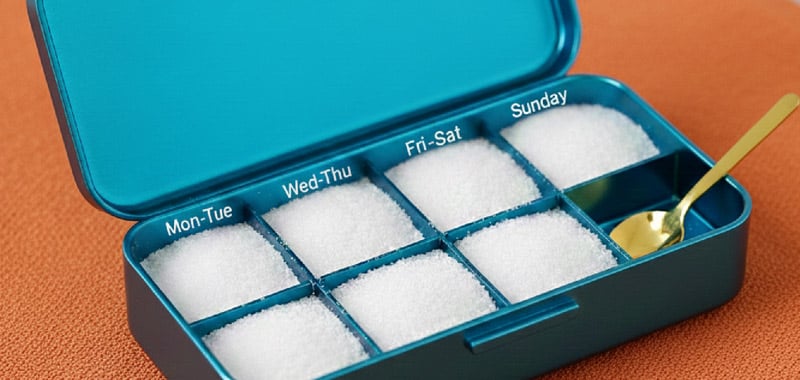
Remember, aging doesn’t start in those golden years. According to Dr. Andrew Salzman, the chief medical officer here at Wonderfeel and a truly brilliant physician-scientist, aging kicks off in our twenties. Wild, right? There’s no need to panic, but taking steps to support the body on a cellular level is a smart move—and that’s where creatine comes in. A recommended daily dose of 3 to 5 grams is safe for long-term use in healthy adults, and results are directly related to consistency. Consider creatine a much-needed and wonderfully effective addition to your wellness routine (or its foundation, if you’re just getting started).
Looking for more detail? Keep reading!
What is creatine and how does it work?
Creatine is actually naturally occurring in your body—it’s found in your muscles and your brain, where it’s used for the terribly important job of energy production. Basically, creatine helps your body recycle ATP, or adenosine triphosphate, which is the body’s main energy currency.
When you move or think, you’re burning through ATP to make it happen, and your cells are doing the same thing. As ATP is used, it loses a phosphate group and becomes ADP, or adenosine diphosphate. To keep your cells fueled, ADP needs to be converted back to ATP in what’s known as “recycling ATP.” Your body uses creatine to do this—it creates something called phosphocreatine, which donates a phosphate group to ADP to rapidly regenerate ATP. On the flip side of the coin, NAD, or nicotinamide adenine dinucleotide works on the mitochondrial level to generate ATP over a longer timeframe, providing sustained cellular energy. By supplementing with creatine (and an NAD precursor like NMN, of course), you’re actively supporting your body’s natural energy production and keeping your cells fueled. And the benefits of that are pretty impressive.
Benefits of taking creatine daily
Creatine might still be famous for its role in enhancing physical performance, but that’s not all this compound has up its sleeve. Supplementing with creatine monohydrate (the standard synthetic version that’s virtually identical to what’s produced naturally in the kidneys, pancreas, and liver) also supports brain, bone, and mental health. Let’s hit the highlights:

Daily creatine for brain health and cognitive function
Your brain isn’t a muscle, per se, but it sure acts like one when it comes to its never-ending need for energy. Just like your muscles, creatine supports your brain by rapidly regenerating ATP to fuel all of those intricate cellular processes. That’s what makes it possible for you to read these words, to think, to feel, to learn something new, to remember, all that good stuff (and so much more). You need ATP for all of it, which is why creatine helps your brain function more efficiently.

In very exciting news, creatine may also play a role in protecting the brain’s long-term health. Studies and clinical reviews (like these from 2018 and 2021) suggest that supplementing with creatine can help support and even improve short-term memory and reasoning. Other evidence suggests creatine might:
When free radicals build up faster than the body can neutralize them, you get oxidative stress. It’s an imbalance that causes damage to cells over time, contributing to aging and issues like a compromised immune system. Creatine appears to act as an antioxidant buffer of sorts, which helps reduce this wear and tear.
Creatine helps mitochondria—famously known as the powerhouse of the cell—work more efficiently. Keeping these guys charged means plenty of energy for everything from thinking to moving.
Because of its role in recycling ATP, creatine ensures cells have ready access to quick energy. That can help reduce fatigue and support consistent brain and body function.
These benefits all contribute to healthier neurons. Maintaining healthy creatine levels could very well give your brain a little boost of resilience against the stressors of aging and everyday life.
Daily creatine for strong bones
Creatine supplementation has been recommended for curbing the risk of sarcopenia, i.e. the age-related decrease in muscle mass. This all-too-common condition is associated with reduced bone mass and kicked-up levels of low-grade inflammation. Plus, it’s thought to be a significant factor in the increased risk of falls and fractures as we age—no bueno. Since creatine supports muscle strength and mass, it has an indirect role in maintaining bone density. The simplest explanation is that stronger muscles put healthy stress on your bones, which encourages them to stay strong. Strong bones are, to put it lightly, absolutely essential to a healthy body. They’re its literal framework, keeping your spine and joints aligned. The stronger your bones, the lower the risk of things like back pain, mobility issues, and stopped posture, and the more likely you are to stay active and independent.

Daily creatine for mental health and mood
Beyond physical and cognitive performance, energy is a must-have for emotional well-being (lightbulb moment!). Studies have linked creatine supplementation to improvements in mood that have the potential to ease symptoms of depression. Other research finds that creatine appears to improve mood and support cognitive function even when you’re sleep deprived—making it a bonus for just about everyone.
Daily creatine for muscle mass
You can’t really talk about the benefits of creatine supplementation without at least casually mentioning how it supports and maintains muscle mass. And we aren’t necessarily talking about six-pack abs and popping pecs. Muscle is important for everyone, supporting balance, mobility, metabolic health, and resilience as we age. By supporting ATP regeneration, creatine means your muscles can work harder and recover faster during exercise, which leads to bigger strength gains over time. Lean muscle mass is super important for a strong metabolism and our health as a whole, so this is no small thing! Just remember that this benefit doesn’t come from creatine alone—it’s the combination of creatine supplementation and strength training that pays off.
Is it safe to take creatine every day?
Would you be surprised if we told you that creatine is one of the safest and most-studied supplements around? It’s true—one of the very first human clinical trials was reported way back in 1965. This gym rat staple is the topic of no less than 1,180 published studies in the Medline database alone, and research consistently finds it both safe and well-tolerated, including over long-term use.
As for side effects or risks, they’re pretty darn limited. You could experience minor bloating if you aren’t staying properly hydrated, because creatine pulls water into the muscles. And some people with extra sensitive stomachs occasionally find themselves with a bellyache, especially in the early days of creatine supplementation. But that’s usually just an adjustment period. In the meantime, take your creatine after a meal and with water, and stick to a lower dose (2 or 3 grams instead of 5) for a few weeks before slowly ramping up. You might also consider splitting your daily dose into two servings.
How much creatine should you take daily?
Again, the recommended daily dose for most people is between 3 and 5 grams. That’s sufficient for keeping the brain and muscles properly saturated to support energy, performance, and recovery, and there’s really no need for any kind of complicated cycling. Remember, consistency is key, so do your best to get your creatine in every day.
If that’s a challenge, know that the format matters. That’s actually why we created ChocoCreatin™. Between the ethically sourced cacao, creamy peanut butter, and four grams of pure creatine monohydrate, it’s an incredibly satisfying way to take your daily creatine—one you’ll actually look forward to. Even better, it’s sweetened with allulose, so this is a zero-sugar treat that’s diabetic and keto friendly.
Do I need a loading phase?
The loading phase is pretty descriptive—a period of time during which you literally load up your creatine stores by taking 20 grams a day, split into 4 doses, for 5 to 7 days. It might make sense if you’re a powerlifter trying for big gains faster, but it’s really not necessary. The recommended daily dose works just fine over time.
What happens if you stop taking creatine?
Well, your muscles won’t shrivel away if you stop taking creatine, but your creatine stores will definitely shrink. Over the course of a few weeks without supplementation, the creatine stores in your muscles and brain will dwindle down to your baseline amount, which is a combination of the natural creatine your body produces (usually about 1 gram a day) and the creatine you get from food (also about 1 gram per day). Supplementing with creatine raises these stores above baseline, which is what allows your body to maintain full saturation for quick energy when you need it most.
It’s possible that you’ll notice a minor drop on the scale—it’s a reflection of water weight lost—but if you’re still working out, you shouldn’t lose any muscle you put on. But you could find your performance isn’t quite as sharp during high-intensity exercise, nor is your recovery quite as speedy. That’s because your body won’t have as much readily-available creatine to support that quick ATP regeneration. On the plus side, you can always restart supplementation if you want to regain those performance and energy benefits.
Who should consider daily creatine supplements?
This is the best part—creatine supplements benefit a huge range of people. If you’re looking to support strength, muscle maintenance, and recovery, take creatine. Want to boost your cognitive performance, mental energy, and brain health, particularly during stressful and/or demanding scenarios? Take creatine! If you qualify as an older adult, past the half-century mark, and you like the idea of healthier aging, take creatine. It’s simple and well studied, and honestly, it couldn’t be easier.
We’ll go ahead and note that as a demographic, women may actually benefit even more from creatine supplementation than men (who still benefit tremendously). Women typically make and store less creatine than men because of hormonal differences and simply having less muscle mass, which is where most creatine is stored. Boosting creatine stores can make a real difference.
So, should you take creatine every day?
Yep! Daily creatine supplementation is one of the simplest, most effective ways to support your body’s natural energy production, enhance brain and muscle performance, and promote healthier aging. It’s safe, well-studied, and low-effort—helping you feel stronger, sharper, and more resilient in your everyday life.

Frequently asked questions
Is it bad to take creatine every day?
Nope! It’s not bad to creatine every day at all. While your body produces creatine naturally, daily intake is how you get the most benefit. Research consistently shows that creatine is both safe and effective for long-term use in healthy adults.
Can I take creatine without working out?
You can, if your goal is to support brain health, energy, and healthy aging. But for benefits like lean muscle mass and bone health, you need to pair creatine supplementation with resistance training.
Should women take creatine daily?
Definitely. Women might even benefit more than men from creatine supplementation, because they tend to store less natural creatine. For women and men alike, creatine can help support strength, energy, cognitive function, and overall resilience.
Does daily creatine help with brain fog?
Actually, it might. Daily creatine supports your brain’s energy metabolism and cognitive performance by helping brain cells regenerate ATP efficiently. That can mean clearer thinking and more mental energy.
Do I need to cycle off creatine?
Nope, there’s no reason to cycle off creatine. Taking it daily keeps your muscle and brain stores saturated, and research shows it remains effective and safe with ongoing use.
Does taking creatine in the morning vs. evening make a difference?
Actually, the timing of your creatine intake doesn’t make much of a difference (although you could try taking it after workouts, when your muscles are most receptive to nutrients). What matters most is taking it consistently each day, so choose the time that best fits your routine.
How do I combine daily creatine with other supplements?
Creatine pairs well with most supplements, including NAD precursors like Wonderfeel Youngr™ NMN, for well-rounded cellular energy support. If you’re looking for an easy way to make daily creatine stick, ChocoCreatin™ is the most delicious option on the market. We use four grams of creatine monohydrate alongside dark chocolate, creamy peanut butter and a sprinkle of sea salt. Yum, right?