

Key takeaways
- Inflammaging is chronic, low-grade inflammation that builds with age and accelerates aging.
- It’s linked to fatigue, brain fog, slower recovery, and major diseases like heart disease, diabetes, and Alzheimer’s.
- Lifestyle choices matter—anti-inflammatory foods, exercise, stress management, and sleep all help reduce inflammaging.
- NAD levels decline with age and inflammation, but NMN supplementation can replenish NAD and improve resilience.
- The best defense is a combination of healthy habits and cellular support for long-term vitality.
You’ve heard of inflammation, but what do you know about inflammaging? Yes, it sounds like a mash-up of inflammation and aging, and conveniently, that’s exactly what it is. While inflammation tends to be short and sharp, the body’s reaction to something like a fever or a cut, inflammaging is more insidious. Like a slow drip on stone, you may not even notice it. But there it is, quietly damaging tissues, wearing down your immune system, and hastening age-related decline. In fact, it’s been linked to all kinds of chronic conditions, including heart disease, diabetes, and arthritis.
These days, longevity scientists and researchers are side-eying inflammaging as more than just a piece of the aging puzzle, but perhaps the central driver of aging itself. Researchers like Dr. David Furman, who studies the intersection of inflammation and immune system response, have recently published evidence showing how chronic, low-grade inflammation accelerates age-related decline across multiple systems, from the heart and metabolism to the brain. The good news? While we can’t stop aging—not yet, at least—we can take steps to reduce inflammaging for healthier aging. Let’s get into it.

What the heck is inflammaging?
Your suspicions are correct—inflammaging is indeed the kind of inflammation that happens as we age. The problem is, unlike the acute inflammation we need to heal, inflammaging is a type of low-grade, chronic inflammation that lingers. And that’s a problem, because chronic inflammation is associated with all kinds of health woes, including what researchers describe as “disability, frailty, and premature death.”
What causes inflammaging?
As much as inflammaging drives aging, so too can aging drive inflammation. In fact, almost everyone experiences some degree of inflammaging as they get older, but its severity and impact really vary. Inflammaging is largely caused by things like a slower or impaired immune system, a build up of zombie cells, and more sluggish cellular repair processes—and those are things that often come with age (and you can blame your parents as well, since there’s also a genetic component).
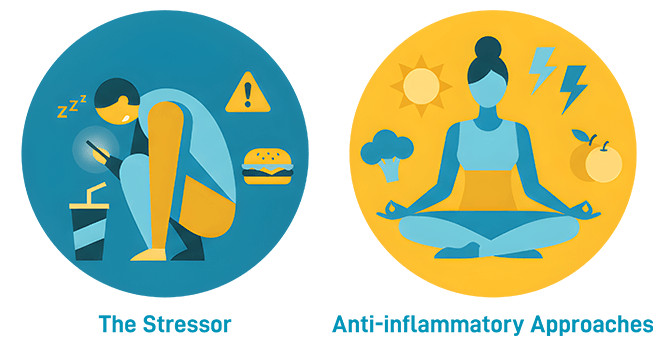
Factors like your lifestyle, nutrition habits, sleep quality, exercise frequency, and general exposure to toxins in the environment all influence the level of inflammaging someone develops. Highly processed foods, refined sugars, and unhealthy fats all promote inflammation, while antioxidant-rich foods, healthy fats, and leafy greens all help bring it down. Moderate exercise like walking, resistance training, and yoga can all help lower systemic inflammation and boost immunity. High stress raises cortisol levels and inflammatory cytokines, which accelerates inflammaging, as do environmental toxins and habits like smoking and drinking alcohol.
By making mindful decisions about these things, you can slow down inflammaging and reduce its effects. And that’s something you definitely want to do.
Inflammaging sounds bad—is it harmful?
Inflammaging can absolutely be an issue if it isn’t kept in check. Unlike acute inflammation, which is your body’s natural defense and healing mechanism, chronic low-grade inflammation is like a slow leak in your system. You don’t even notice it at first, but over time, it can cause a surprising amount of damage to your cells, tissues, and organs.
While inflammaging doesn’t cause age-related health issues outright, it creates the kind of compromised internal state that opens the door to big problems. Researchers are linking chronic low-grade inflammation—i.e. inflammaging—to things like heart disease, type 2 diabetes, osteoporosis and arthritis, even cancer and Alzheimer’s disease. But even before these issues become, well, issues, inflammaging can make life a little harder by zapping vitality, which shows up as fatigue, brain fog, slower recovery times, and a general loss of resilience.
Sound familiar? The same symptoms occur with low levels of NAD, or nicotinamide adenine dinucleotide, which is a terribly important coenzyme found in every single living cell. NAD has hundreds of important jobs, chief among them energy production, DNA repair, and antioxidant defense. But chronic inflammation actually burns through NAD reserves, because enzymes like CD38, which ramp up with inflammaging, are active NAD consumers.
It’s a nasty cycle. Inflammaging increases with age, while NAD levels fall. But low NAD makes it hard for the body to repair itself—or to fight off more inflammation. That’s why the symptoms of inflammaging and low NAD often overlap. The processes are distinct, but they feed into each other nonetheless.
Signs & symptoms of inflammaging
So, beyond feeling tired, how can you tell you’re navigating inflammaging—especially if it’s the silent, lurking type? Well, that’s part of the problem. It doesn’t typically announce itself with obvious symptoms. You can pinpoint acute inflammation from telltale signs like redness, swelling, and pain, but the effects of inflammaging often become apparent over years and decades. According to the University of Queensland, you may begin to notice things like persistent pain, chronic fatigue or insomnia, stiff joints, frequent colds, weight fluctuations, skin problems, gastrointestinal issues, and elevated blood markers.
The best test is to consider whether you have the same energy, recovery times, and clarity that you had one year, five years, or ten years ago. Do you feel tired even after sleeping for seven or eight hours? Are you forgetful? Have you noticed a loss of flexibility? Do you take longer to heal from exercise, injury, or illness? Is it harder to bounce back from physical and mental stress? If the answer is yes, inflammaging could be one reason why.
How to test for inflammaging
For a definitive answer, the best approach is biomarker testing. Certain blood markers in the body reflect inflammatory activity in the body, so this is what researchers and clinicians look for. There’s no “inflammation score,” per se, but you get a general snapshot of your inflammatory story.
- C-reactive protein (CRP). A general marker of systemic inflammation. High-sensitivity CRP (hs-CRP) is especially useful for detecting subtle, chronic inflammation.
- Interleukin-6 (IL-6). A pro-inflammatory cytokine that rises with age and is strongly tied to age-related disease risk.
- Tumor necrosis factor-alpha (TNF-α). Another inflammatory cytokine that contributes to tissue damage and cellular stress.
- Other markers. Fibrinogen, homocysteine, and white blood cell counts also provide indirect clues about inflammation levels.
Can I reduce inflammaging naturally?
It’s not possible to stop inflammaging completely, but there are things you can do to minimize it. As with many things, lifestyle plays a pivotal role. Bad habits can actively promote inflammaging, and the opposite is also true. Yes, we’re talking about good nutrition (a nutrient-dense, anti-inflammatory diet high in veggies, fruits, whole grains, fatty fish, nuts and olive oils), regular movement (especially strength training, yoga, and walking), and stress management. Getting consistent, restorative sleep is also important.

It’s also worth addressing inflammaging on a cellular level by supporting healthy NAD levels. Supplementing with precursors like NMN (nicotinamide mononucleotide) has been shown to effectively raise NAD inside cells, even as natural production declines with age. By replenishing NAD, you’re essentially giving your body more fuel for energy production, DNA repair, and cellular defense. While NMN doesn’t eliminate inflammaging directly, maintaining higher NAD levels helps your cells better withstand the stress and damage caused by chronic low-grade inflammation—making it a powerful ally in healthy aging. We’ll go ahead and recommend Wonderfeel Youngr™ here. It pairs a clinically proven 900 milligram dose of NMN with key antioxidants that actually help slow down CD38 activity. That means you aren’t just boosting NAD—you’re also maintaining that elevated level.
In short, the best way to keep inflammaging to a minimum is with the one-two punch of smart lifestyle choices and cellular support (and a supplement like Youngr™ makes it easy). That’s the best way of slowing down the silent wear and tear of inflammaging and supporting healthier aging from the inside out.
The bottom line on inflammaging and healthy aging
Inflammaging may be silent, but it takes a serious toll on your energy, resilience, and long-term health. Recognizing it as one of the key drivers of aging is step one. Taking steps to manage it is step two. And you can do that with mindful nutrition, exercise, stress management, and sleep, along with science-backed supplementation to support healthy NAD levels. After all, healthy aging isn’t about eliminating every gray hair or wrinkle. It’s about preserving your energy, strength, and clarity so you can fully embrace the years as they come.

Frequently asked questions
What causes inflammaging?
Inflammaging is a perfect storm of immune system decline, accumulating zombie cells, slower cellular repair, and genetic factors. Lifestyle habits, including a nutrient-void diet, chronic stress, and insufficient sleep, can actively make inflammaging worse.
How is inflammaging linked to age-related diseases?
Inflammaging, or chronic low-grade inflammation, weakens the body over time. That creates conditions that increase the risk of health issues like heart disease, type 2 diabetes, arthritis, osteoporosis, Alzheimer’s, and cancer.
Can diet or exercise reverse inflammaging?
You can eliminate inflammaging completely, but a nutrient-rich diet and regular exercise can have a significant impact. Anti-inflammatory foods, strength training, yoga, and walking all help ease inflammation and support the immune system.
What are the signs of inflammaging?
Inflammaging symptoms often show up gradually, so they can be hard to pinpoint. Fatigue, brain fog, stiff joints, frequent illness, skin problems, and slower recovery times can all indicate inflammaging.
Is inflammaging the same as inflammation?
Not really. Inflammation is a short-term healing response in the body, but inflammaging is chronic, low-grade inflammation that sticks around. Because it’s so persistent, it can be damaging to cells over time.
Can you reverse inflammaging?
You can’t completely reverse inflammaging, but you can slow it down. The best approach is healthy lifestyle choices and supplements to support NAD levels, like NMN.
What is the #1 most inflammatory food?
The top inflammatory foods are usually highly processed and/or high in refined sugars. They spike blood sugar, contribute to oxidative stress, and fan the flame of chronic inflammation.
Does coffee cause inflammation?
Coffee is generally considered anti-inflammatory because of its antioxidants, but that’s in moderation. If you drink a lot of coffee and go heavy on the cream and sugar, it may lean more inflammatory.
Can inflammation age you?
Chronic inflammation absolutely ages you by accelerating cellular damage and contributing to wrinkles, fatigue, slower recovery times, and a greater risk of chronic disease.