Key takeaways
- Intermittent fasting focuses on when you eat—not what you eat—making it a flexible, sustainable lifestyle tool.
- Intermittent fasting helps regulate insulin, burn fat, and activate cellular repair processes like autophagy.
- Popular methods include 16:8, 5:2, and 24-hour fasts, but there’s a lot of flexibility.
- IF isn’t for everyone—some people experience negative side effects like fatigue, hormonal changes, or disordered eating patterns.
- Women and those with medical conditions should be especially mindful and may need to modify their fasting schedule.
- The best IF routine is the one you can stick with—start slow, stay flexible, and adjust as needed.
Quick, name one of the most popular health and fitness trends in the world. If you said intermittent fasting, or IF, you might be the 1 American in 10 who has tried this eating pattern—or one of the 13% currently doing so. IF has skyrocketed in popularity because it’s straightforward and flexible, and beyond weight loss, may offer benefits like better blood sugar control and improved longevity. But how does IF actually work? Let’s take a closer look at how IF affects your body, the most popular fasting schedules, and how to get started—without feeling overwhelmed.
What is intermittent fasting?
IF isn’t a traditional diet. It doesn’t dictate what you eat, but rather when. Instead of cutting calories or limiting entire food groups, IF is all about structuring eating periods to specific windows of time. In other words, you alternate between windows of eating and not eating (fasting).
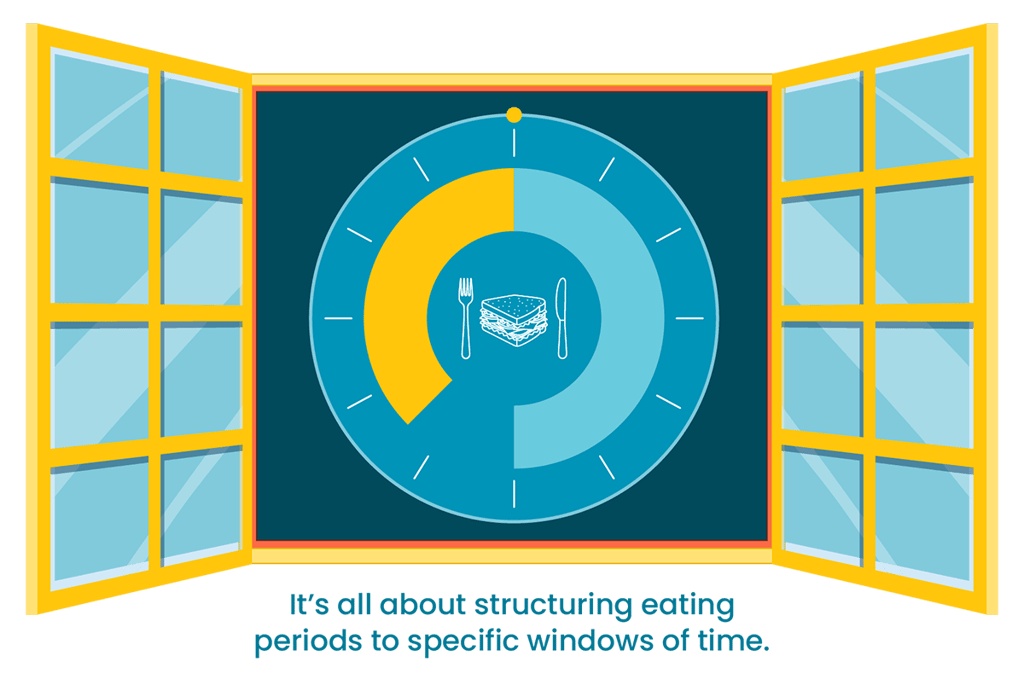
The idea is to give the body lengthy breaks from digestion so that it can access stored energy in the body for fuel and better regulate certain metabolic processes (we’ll dissect that a little later). Part of the appeal of IF for a lot of people is that it’s really flexible. There’s no single way to fast, so there’s a lot of room to tailor it to your schedule and life. Some people fast for 16 hours, leaving an 8-hour window for meals. Some people fast for a full 24 hours once or twice a week or eat normally five days a week and then seriously cut calories on the other two. However you choose to do it, the idea is giving your body long periods of time without food so that it switches from using incoming calories to stored fat. That’s why touted benefits of IF include fat loss, improved insulin sensitivity, and even cellular repair. Some people also find that this eating pattern creates a more mindful relationship with food.
How does intermittent fasting work in the body?
Going without food has a ripple effect on your metabolism that starts with hormones and trickles all the way down to the cells. Let’s break it down.
- When you eat, the body releases insulin to help process glucose (science speak for sugar). When you’re fasting, insulin levels logically decrease. That makes it easier for the body to access stored fat for fuel. This fat-burning process is known as lipolysis, and its efficiency only improves the longer you fast. That’s how intermittent fasting shifts your metabolism to fat-burning mode.
- Way down on the cellular level, fasting prompts cells to initiate repair housekeeping processes like autophagy, which is when cells break down and essentially recycle old, damaged components. That process has been linked to things like reduced inflammation, a lower risk of certain types of disease, and improved longevity.
- Levels of human growth hormone (HGH) increase when you fast, which can support both fat loss and muscle growth.
See why IF is so much more than a regular ol’ diet? Fasting isn’t about skipping meals or eating less It’s about giving the body an opportunity to rebalance, repair, and optimize metabolic systems. That’s why people who consistently practice IF report perks like more energy, improved mental focus, and generally feeling healthier overall.
Popular types of intermittent fasting
There are a lot of ways to practice IF, but let’s take a closer look at the most popular methods.
- 16/8 method or Leangains protocol. This is where most people begin their IF journey. The 24-hour day is broken down into 16 hours of fasting and an 8-hour eating window. Most people start their fast in the evening, so they sleep through the bulk of it and skip breakfast, but you can also start it earlier and skip dinner.
- 5:2 diet. With this plan, you eat normally five days a week. On the other two (non-consecutive) days, you limit your calories to 500 or 600. This is a good option for people who aren’t ready to go whole hog on the daily fasting.
- Eat-stop-eat. This is a more advanced approach that involves fasting for a full 24 hours one or twice a week.
Many people find that limiting their eating window naturally reduces the number of calories they get—and it’s pretty painless. That’s why weight loss is a common benefit.
What’s the point of intermittent fasting?
Really, the timing is the point. For a lot of people, IF is a handy workaround to planning, prepping, and eating multiple meals every day. It creates a natural rhythm that helps eliminate snacking and grazing, so you aren’t stuck in the mindless eating loop.
That’s appealing, for sure, but the real magic is happening behind the scenes. By extending time between meals, your body shifts into a different metabolic state. It can’t rely on a steady supply of new fuel, so it starts relying on what it already has stored. And yep, that means body fat. At the same time, those hormonal shifts and cellular housekeeping chores are kicking into gear, which means benefits beyond calorie reduction. For a lot of people, that means more than just weight loss. It means better blood sugar control, reduced inflammation, steadier energy, improved mental clarity, and even a greater sense of discipline and self-awareness. You’re not just eating less—you’re eating more purposefully.
Who should (and shouldn’t) try intermittent fasting?
IF may sound pretty great, but it’s not for everyone. If you’re already underweight or you’ve struggled with eating disorders in the past, don’t start fasting without running it past your doctor first. It’s not a good idea for those who are pregnant or breastfeeding and people with blood sugar issues or on medications that affect glucose levels. Teens, older adults with frailty issues, and people with chronic conditions should also speak with a doctor about IF before giving it a go.
On the other hand, IF can be a good fit for people who have issues with mindless eating or never-ending snacking, those who have zero interest in tracking calories or following a restricted diet, and anyone who likes the idea of a simple, structured eating routine.
Like any approach to nutrition, it’s all about finding what works for your body over the long term. Just be aware that IF can have its drawbacks, too.
Potential side effects of IF
While it might seem like an easy way to manage what you eat, IF isn’t risk-free. It can be really challenging in the beginning and it’s riskier if you push yourself too fast too aggressively. Shortening your eating window can leave you feeling, you know, really hungry, which can sap your energy levels and leave you seriously irritable. In the beginning especially, IF can also lead to headaches, difficulty concentrating, mood swings, and poor sleep.
Over the long-term, there are other concerns to consider.
- Digestive changes. Making changes to your eating patterns can occasionally trigger constipation, nausea, or other digestive issues.
- Nutritional gaps. Poorly planned eating windows can mean you aren’t getting enough calories or you’re missing out on key nutrients.
- Cardiovascular concerns. One recent study found an association between 8-hour eating windows and increased cardiovascular death risk. More research is warranted, but it did raise some eyebrows.
- Blood sugar issues. People with diabetes or those on glucose-lowering medications may experience low blood sugar during fasts.
- Muscle loss. Without strength training and enough protein, IF can cause lean muscle loss—and nobody wants that!
- Sustainability challenges. Some people find IF really difficult to maintain over time.
On the plus side, most side effects can be minimized by choosing a sustainable fasting schedule, planning balanced meals, staying hydrated, and making adjustments as needed.
What about females?
Female bodies are more sensitive to calorie restrictions and hormonal shifts than men’s bodies, so the effects of fasting—both good and bad—can be a little more intense. Extended fasting and really aggressive calorie cuts can disrupt and even stop a woman’s menstrual cycle, which has an effect on fertility. That’s because the body may interpret long fasting periods as a form of stress or starvation and respond by suppressing reproductive hormones. It’s best to avoid fasting during the luteal phase of the menstrual cycle (the week before your period), which is when the body needs more calories.
Pro tip: Women generally do better with less intense IF protocols, like 12:12 or 14:10 fasting schedules. Fasting 2 or 3 non-consecutive days each week instead of daily is another option. The big takeaway here is to listen to your body and avoid a one-size-fits-all approach to IF. Don’t be afraid to adjust or take breaks, either. As with most things in wellness, personalization is everything.
How to start intermittent fasting safely
If you want to give IF a go, here’s how to ease your way in and steer clear of common pitfalls.

- Start with a gentle fasting window
There’s no need to jump straight into a 16-hour fast. Begin with a 12:12 schedule—fasting for 12 hours and eating during a 12-hour window—and slowly shorten your eating window as your body adjusts. This approach is way more sustainable and far less stressful on your system. - Stay hydrated
Water is your bestie during a fast. Staying hydrated helps control hunger and keeps your energy up. Black coffee, herbal tea, and sparkling water are all fine during fasting hours, but you’ll need to skip anything with calories, artificial sweeteners, or creamers. - Don’t ignore hunger cues (especially early on)
It’s normal to feel a little hungry as your body adapts, but there’s a difference between mild hunger and true discomfort. If you feel dizzy, lightheaded, or hangry, eat something. The goal here is to support your health, not push through pain. No need to be a hero! - Focus on nutrient-dense meals during your eating window
When you do eat, prioritize whole foods that are rich in fiber, protein, and healthy fats. These will help keep you satisfied and stable throughout your fasting period. Think lean proteins, vegetables, complex carbs, and good fats like olive oil, nuts, and avocado. - Avoid the binge–fast cycle
Don’t use your eating window as a free-for-all. Overeating or making poor food choices after a fast can undo many of the benefits. Try to maintain a balanced approach and eat until you’re comfortably full—not uncomfortably stuffed. - Be consistent, but flexible
Life happens. If you miss a day, break a fast early, or need to pause your routine, that’s okay. Just get back on track tomorrow. Intermittent fasting is most effective when it’s part of a long-term lifestyle—not an all-or-nothing rulebook. - Talk to a healthcare provider if you have any concerns
If you’re managing a health condition or taking medication, it’s a good idea to check in with your doctor or a registered dietitian before starting IF. They can help you determine the best approach for your needs.
The bottom line on intermittent fasting for beginners
Intermittent fasting isn’t a magic fix, but it is a powerful, flexible tool that can support your health when it’s done wisely. At its core, IF is about timing: Giving your body longer breaks between meals so it can rebalance, repair, and run more efficiently. For many people, this leads to benefits like fat loss, steadier energy, and improved mental clarity—all without counting calories or obsessing over every bite.
Frequently asked questions
Can I drink liquids during the fast?
You can and should drink liquids when you fast. Just make sure they’re non-caloric, like still or sparkling water, black coffee, or herbal tea. It’ll help you stay hydrated and help curb hunger.
Can I take supplements during the fast?
You can, but think through your goals with IF. While zero-calorie options (like most vitamins, electrolytes, caffeine, or an NMN precursor like Wonderfeel Youngr™) won’t break your fast, supplements with calories (like collagen, protein powders, amino acids, and oils) will.
How should a beginner start intermittent fasting?
Beginners should ease into intermittent fasting with a 12:12 schedule—12 hours of fasting followed by a 12-hour window for eating. You can work up to longer fasting protocols, like 14:10 or 16:8 as you adjust to this kind of eating pattern.
What are the basic rules of intermittent fasting?
The main rule is to eat only during your designated eating window and stick to non-caloric liquids during your fasting window. When you do eat, focus on nutrient-dense foods.
Why is 16 hours the magic number for fasting?
Sixteen hours of fasting gives the body time to lower insulin levels, switch to fat-burning mode, and potentially trigger cellular repair processes.
Does sleeping count as fasting?
Yep, sleeping counts! That’s why a lot of people start their fast after dinner. That way, you get to sleep through roughly 8 hours of it.
Can I do a 16 hour fast everyday?
It’s possible. Lots of people do 16-hour fasts daily with no negative issues. Just remember to listen to your body so you can make adjustments as necessary. The goal is to make this sustainable for you.
Is it better to skip breakfast or dinner in intermittent fasting?
Either works. It really depends on your lifestyle and how your body feels. Some people have no problem skipping breakfast, while others prefer to fast earlier and eat dinner.