

Key takeaways
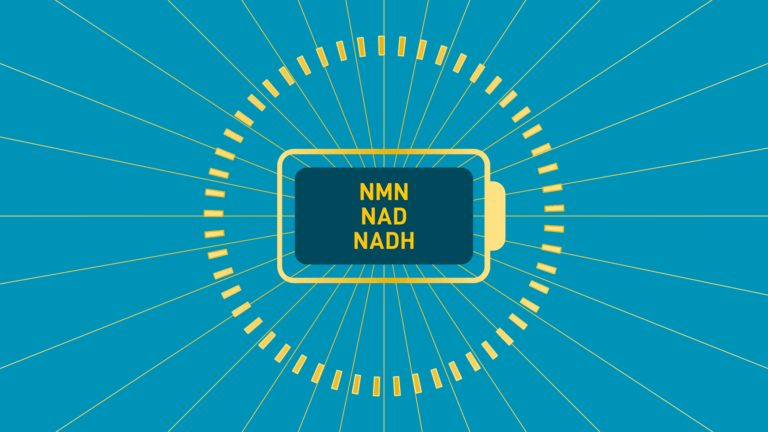
- NAD is known as the “fuel for life,” responsible for cellular energy, antioxidant defense and DNA repair. But the older we get, the less NAD we make.
- CD38 is a protein that uses NAD. Its activity ramps up as we age, draining NAD too quickly and contributing to a weaker immune system and other health issues.
- To truly combat aging, boosting NAD with supplements like NMN is important—but you can’t overlook CD38 activity.
- Antioxidants like resveratrol and hydroxytyrosol can help slow down CD38, making NMN more effective at replenishing NAD levels.
Just a few short years ago, acronyms like NAD and NMN and NR were a mystery to most people. Fast forward to 2025, and people are increasingly tuned into longevity science and surprisingly in the know about these compounds. We love to see it! But even if you know that NAD is the primary fuel for life itself and that NMN and NR, as NAD precursors, are the best way to rebuild it, you may not know about CD38—or why it matters. At the very least, you probably haven’t the foggiest idea how this admittedly under-the-radar protein relates to NAD, and why your NMN supplement needs to address CD38 at all. Well, good news! We’re getting into that very topic in full detail right here, and trust us—it’s worth the read.
NMN supplementation for healthy aging
For the uninitiated, NMN is short for nicotinamide mononucleotide. It’s a precursor to NAD, or nicotinamide adenine dinucleotide, which is a pretty big deal. That whole “fuel for life” thing isn’t hyperbole. It’s a simple fact.
NAD serves three key functions in our bodies. It directly controls ATP production, which is what we use to do anything at all—think, eat, move, blink, you get the idea. Simply put, NAD equals energy. And low NAD, well, that means low energy. That doesn’t just mean you’re dragging yourself through the day. It means your very systems are doing the same thing.

Key function number two is antioxidant defense. Living in this beautiful, oxidant-rich environment we all call home means exposure to free radicals. These unstable molecules are the byproduct of cellular oxygen use and various environmental triggers. Exposure to pollution, UV radiation, smoking and other vices, and chemicals like pesticides mean more free radicals roaming around our bodies and generally wreaking havoc. To manage this oxidative stress, we rely on antioxidants, important little molecules that protect our cells against this type of damage. Antioxidants are fueled by NADPH, which is itself produced by, yep, NAD.
DNA repair is the third task on NAD’s list. Oxidative stress from those troublesome free radicals actually alters our DNA, causing knicks and breaks that need to be repaired on the spot to avoid mutations when the cells divide. An enzyme known as PARP is responsible for this timely repair work, and it relies on NAD to do the job. Without sufficient NAD, PARP can’t function properly, which means sloppy repairs to damaged DNA that can accumulate over time. That leads to serious outcomes, in the form of cellular malfunctions and an increased risk of diseases like cancer. Unrepaired DNA also contributes to aging and damage to important organs, which makes the body more vulnerable to age-related diseases and conditions. In short, you need PARP firing on all cylinders, which means you need NAD.
What is CD38?
Now, let’s shift our focus to another important molecule, a busy protein that goes by the catchy CD38 (we get Star Wars vibes…?). In a nutshell, CD38 hangs out on and in different cells in the body, but particularly immune cells, where it’s involved with intercellular communication. Think of it as the walkie-talkie operator coordinating different teams by sending messages back and forth to ensure appropriate responses at the right time and place. CD38 also serves as a sort of switch to activate key immune cells when it’s time to fend off invaders.
To do its job, CD38 relies on NAD. But it actually breaks down individual NAD molecules into other signaling molecules. In small amounts, that’s no big deal. But too much CD38 in the body can drain NAD too fast, which makes our immune cells tired and unmotivated, contributing to a weaker immune system over time.
Aging, NAD, and CD38
We’ve already covered that NAD naturally declines as we age. Well, the opposite happens with CD38. The body simply increases these levels as the years pass, especially in immune cells. Scientists are still puzzling out exactly why CD38 levels begin climbing, and the general consensus at this point is that it’s related to the body’s response to the chronic low-level inflammation—i.e. Inflammaging—which is associated with aging.
Aging itself is an inflammatory event, notes Dr. Salzman, triggered by chronic inflammation in the body that can generally be traced to leaky gut syndrome. As we get older, our gut lining often becomes weaker and more sensitive. Lifestyle factors, like what we eat, the medicines we take, and the stressors in our lives can likewise take a toll on our gut lining and affect our gut microbiome, which is composed of trillions of bacteria that help us stay healthy. The upshot is that the protective gut lining becomes compromised and doesn’t do as good a job of letting nutrients in and keeping harmful bacteria, toxins and even undigested food from leaking into the bloodstream. That’s when the immune system kicks in, which jumpstarts CD38 activity. That increases NAD depletion, which is itself associated with inflammaging. In time, the CD38/NAD imbalance actually causes more inflammation, worsening leaky gut and accelerating aging. Inflammaging itself is also associated with cardiovascular disease, type 2 diabetes, and cognitive decline.
But back to the point at hand: At the same time that NAD production is slowing because we’re simply getting older, CD38 activity is actively ramping up. And that’s a problem. This NAD-hungry protein is chewing through your already depleted stores, setting up a pretty serious situation. Remember, we need NAD—and lots of it—to support energy production, antioxidant defense and DNA repair. When we don’t have enough, we end up with problems like cellular fatigue, a compromised immune response and accelerated aging.
How to boost NAD levels
Now for some good news. Science has shown us that we can slow and even reverse declining NAD production, and it’s as simple as a daily supplement (wait, we take that back—healthy lifestyle habits, like good nutrition, regular exercise, stress management and adequate sleep all apply as well). NAD precursors, like NMN and NR (nicotinamide riboside), have been shown to very effectively boost NAD in the body. They’re resilient in the digestive system, have no issues making their way to the cell, and handily convert to NAD once they’ve made their way inside.
Personally, we choose NMN over NR. While both do the job, NMN is technically the direct precursor. NR requires an extra conversion step in the cell before it can turn into NAD. Plus, NMN has its very own transporter, zipping it straight into the cell.
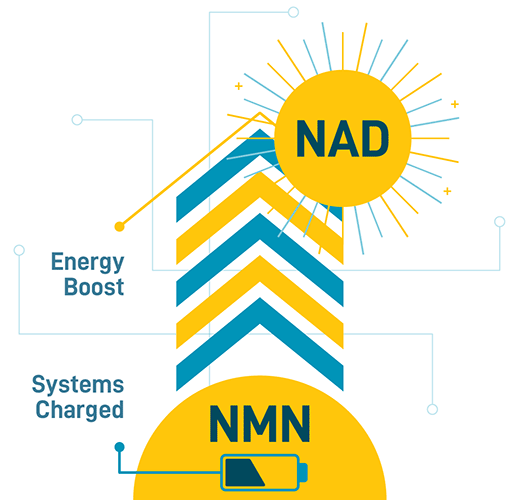
So, what happens when you bump up NAD levels? Good things! More NAD means more cellular energy, more DNA repair, healthier, stronger cells and a stronger immune system. Here’s the gist: By boosting NAD through NMN, you’re actually restoring what was lost with age. That includes things like a zippy metabolism, a sharp mind, strong muscles and healthy cells—you know, all the stuff you took for granted in your youth.
It’s all possible with a scientifically validated daily dose of NMN. But there’s a catch. High CD38 levels—the kind associated with aging—means that the NAD you’re making from that supplement is being broken down almost as quickly. The workaround? An NMN supplement that doesn’t just boost NAD, but helps maintain that boosted level with CD38 inhibitors.
Meet the antioxidants that block CD38
Ever heard of resveratrol? It’s a plant compound found in the skin and seeds of grapes, and it’s a pretty powerful antioxidant. So is hydroxytyrosol, which is found in olives and olive oil. Beyond their respective benefits—resveratrol is an impressive skin booster with a lengthy list of anti-inflammatory, anti-carcinogenic, neuroprotectant and cardioprotective properties and hydroxytyrosol has metabolic and cancer-prevention perks—these antioxidants can also influence CD38. Specifically, they appear to slow its roll, likely by calming inflammation and stress signals. Some research suggests that these antioxidants might actually interfere with CD38 itself, sort of gumming up the works so that it doesn’t break down as much NAD.
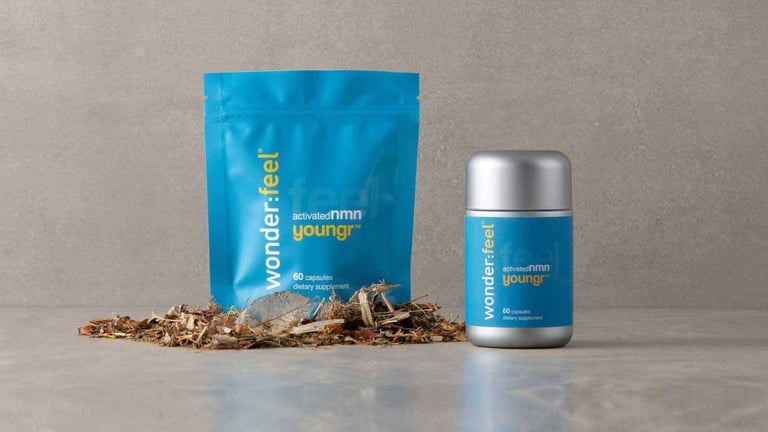
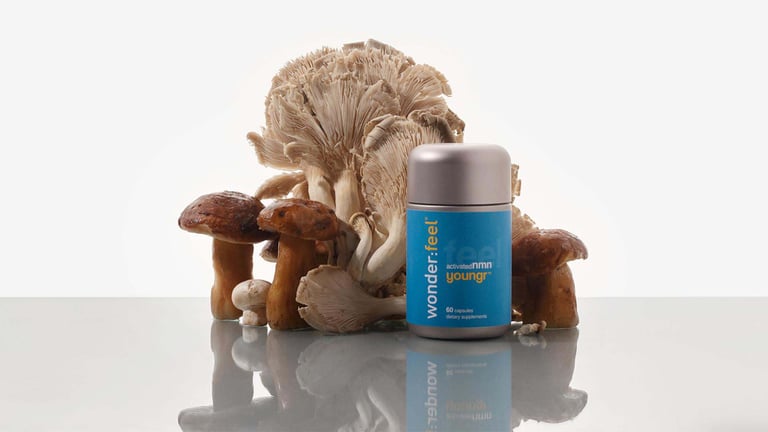
Here’s the best part. Resveratrol and hydroxytyrosol are two of the three antioxidants in Wonderfeel Youngr™ NMN. We also include ergothioneine, renowned for its ability to offset oxidative damage, and vitamin D3, along with a clinically backed daily dose of NMN. The carefully balanced combination sets Youngr™ light years away from other NMN supplements on the market, which focus solely on replenishing NAD. Well-intentioned, maybe, but it’s like trying to fill a leaky bucket. You can add all the water you want, but it’s just going to keep draining out the holes in the bottom. The right strategy is to fill the bucket and plug the holes. And that’s exactly what Wonderfeel Youngr™ does. As Wonderfeel’s Chief Medical Officer Dr. Andrew Salzman describes it, “this is the key combination approach… the next-generation approach.”

Long story short? It’s not enough to just take NMN. We need to inhibit this overexpression of CD38 at the same time to really reap the benefits.
Does your NMN address CD38?
If you aren’t taking Wonderfeel Youngr™ and your daily stack doesn’t include antioxidants like resveratrol and hydroxytyrosol, the answer is no. That means you’re diligently working to fill a leaky bucket, and no matter how hard you try, you’ll never be able to keep it full. But it doesn’t have to be that way. The benefits of NMN supplementation are real, but you’ll only experience them for yourself if you’re multitasking—raising NAD levels and blocking overactive CD38 activity. Wonderfeel Youngr™ makes that happen.
Frequently asked questions
Why does CD38 increase with age?
CD38 appears to increase with age because we’re more likely to experience inflammaging, or low-grade chronic inflammation. Changes to the immune system and increasing oxidative stress can also trigger more CD38 activity.
Is CD38 good or bad?
CD38 is good and bad. It has an important role in immune function and cellular communication, but too much CD38—which is common as we age—is problematic. That’s because it uses up too much NAD, which we desperately need for cellular energy, antioxidant defense and DNA repair. That actually contributes to weaker immune function and accelerated aging.
What supplements inhibit CD38?
Antioxidants like resveratrol and hydroxytyrosol inhibit CD38 activity. In Wonderfeel Youngr™ NMN, a precise combination of these antioxidants with a scientifically validated dose of NMN not only increases NAD levels, it also helps retain those elevated levels by curbing CD38.
Does CD38 cause inflammation?
CD38 can indeed contribute to inflammation, especially as we age. That’s because it breaks down NAD, which helps maintain homeostasis in our cells. Declining NAD levels are typical with aging, but rising CD38 levels can mean increased inflammation and other health issues.